
Jack Welch's Minimalist Rules for Winning — Applied to the Indoor Play Business
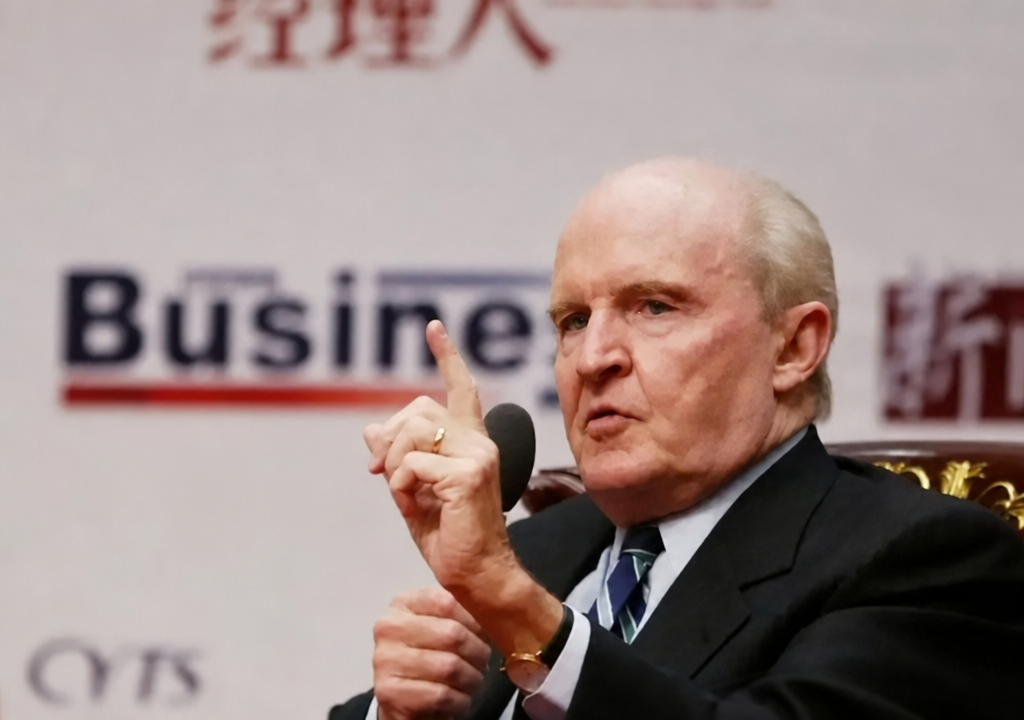
I picked up an old book recently, written by Jack Welch, the former chief executive of General Electric whom many in the business press once described as the world's most influential CEO.
It is a short book. What kept occupying my attention as I read was a narrower question: how much of this applies to the business of running indoor play venues? What follows is a handful of points that have stayed with me, offered in that spirit rather than as a management system.
A Store Manager's Role Is Not Simply Managing People
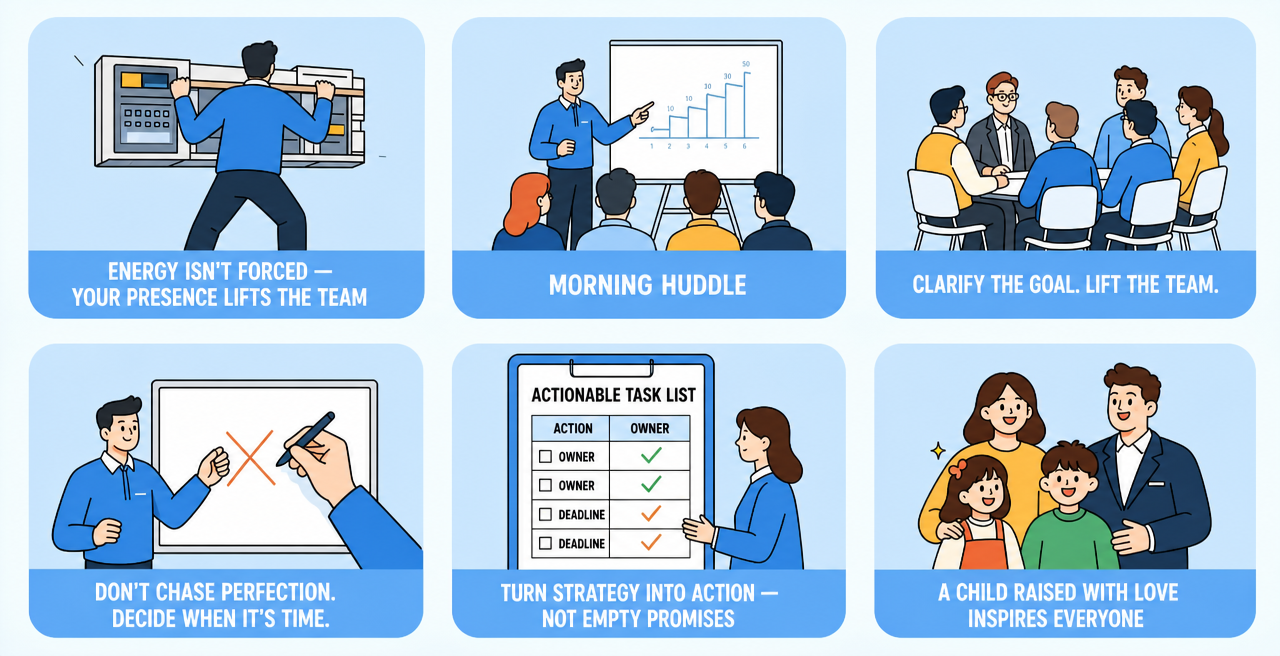
Welch argued that effective leaders share five qualities: energy, the ability to energize others, decisiveness, execution, and passion. When we select store managers, the first two carry the most weight in our assessment.
Energy, in this context, is not volume. It is the effect a manager has when they walk onto the floor — staff do not think "the boss is here," they think "with him here, today is under control." It comes from state rather than volume: speaking with purpose, not letting tasks drag, not disappearing when a problem appears. Teams tend to follow that.
The ability to energize is the second quality, and it shows up in how a target is communicated. The same monthly revenue goal can be delivered in a way that makes a team feel the weight, or in a way that makes them believe it is achievable. The number is identical; the outcome usually is not.
One of our venues illustrates this. Revenue had been weak for two consecutive months and the manager was under real pressure. Rather than spending his days staring at the numbers with a grim expression, he gathered the team briefly, broke the target into weekly steps, assigned ownership of each part, and then said one thing: he knew everyone was tired, but this was not the moment to let go, and he would carry it alongside them. Over the following two weeks the numbers recovered gradually.
That is what energizing looks like in practice. Not slogans — a team that feels it is in the work together.
Getting the Right People Into the Right Seats
Welch's well-known 20-70-10 framework is blunt in its implications: reward the top 20% most generously, help the middle 70% grow, and address the bottom 10% decisively if they cannot keep pace.
Running a park follows the same logic, and the individual cases are usually clearer than the framework.
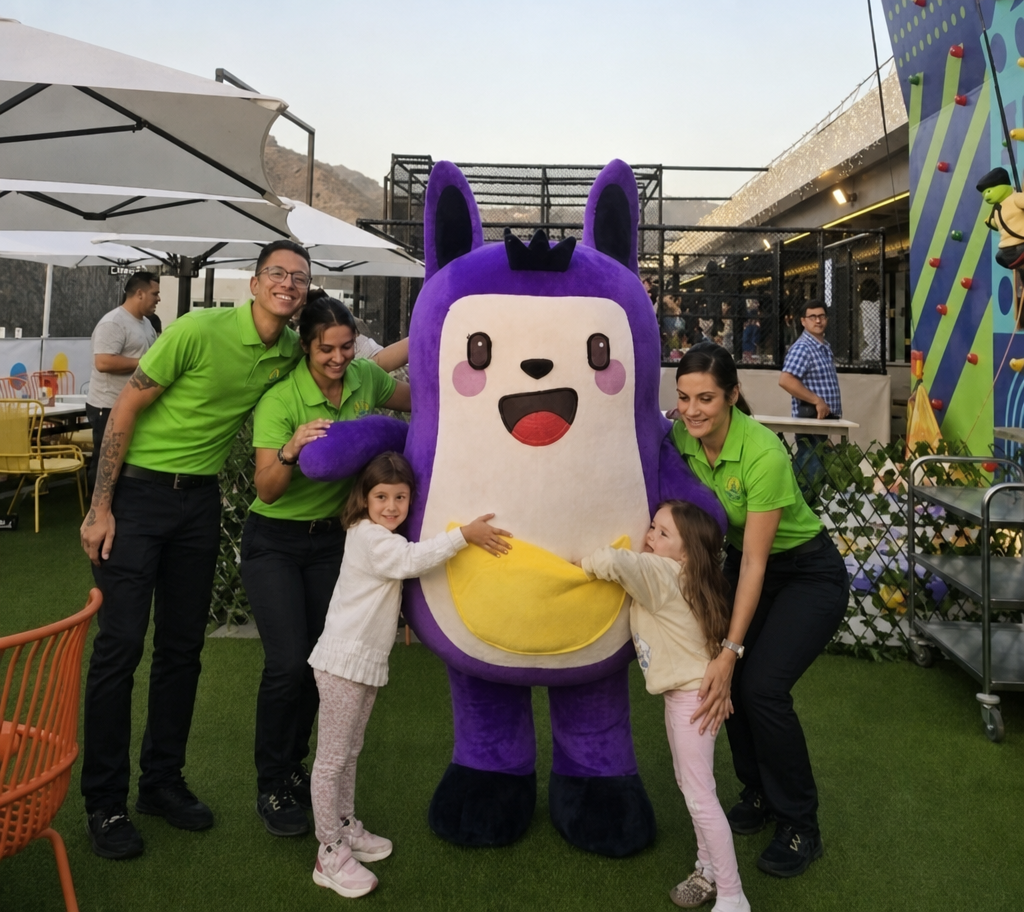
There is the safety attendant who takes the job seriously — the first to reach a child who has fallen, the reason parents describe the venue as one they trust. That person's bonus should be real, and the public recognition should not be skipped. People stay where they feel their contribution is valued.
There is the party host who is improving slowly, not from a lack of effort but from a lack of method. The answer is training, mentoring, and a clear target: "Next month you will run three parties on your own, and I will be nearby to cover you."
And occasionally there is an employee whose attitude is fine but who is genuinely mismatched with the role. Dragging that situation out serves no one. An earlier, honest conversation is better for the individual and for the team.
When the strongest performers are visibly rewarded, the team knows what it is working toward.
Without Subtraction, There Is No Strategy
Welch's formulation was that the essence of strategy is choosing what not to do.
The most common mistake in the indoor play business is wanting everything. Trampolines are popular, so add trampolines. Climbing is popular, so add climbing. Parties are popular, so build party rooms. The result is a venue full of attractions and very few of them profitable. Experimenting is not the problem — but when resources are finite, doing one thing exceptionally well comes before adding the next.
Welch's "number one, number two" principle follows from this: if you cannot be a leader in a given area, it is worth considering whether to redirect your effort elsewhere.
Candor Is the Cheapest Management Tool
Candor is the word Welch returned to repeatedly. Complicated processes consume people, he argued, and evasive communication wastes time. In a workplace, the largest available efficiency gain is often simply the willingness to say what is true and to face problems directly.
The same applies to running a venue. When an event underperforms, a meeting that circles around "the weather was bad" and "traffic was down" is less useful than saying plainly that the event design had a problem and next month's plan will change. When an employee makes a mistake, saying nothing leaves them assuming it did not matter, and the mistake recurs. Better to say directly what went wrong and what should happen instead.
Candor is not harshness. It removes the friction that otherwise accumulates.
Inside Pokiddo we keep one habit that supports this: in review meetings, empty formalities are not welcome. Work that went well is acknowledged as such; work that did not is discussed in terms of what changes next time. The same applies upward — when a store manager disagrees with me, I would rather hear it directly than have it softened.
The time saved goes somewhere useful: cleaning equipment properly, talking with parents, teaching a staff member a new skill. Those are the activities that actually pay.

In Closing
Welch's argument was that winning is not accidental — it is the cumulative result of a series of correct choices. Those choices may be a candid conversation, a timely decision, public recognition for someone who earned it, or simply deciding to learn one more thing today.
Running indoor play venues is a long game. We have not found shortcuts that let you win without effort, though we have found methods that make the effort count for more.
What This Suggests for Anyone Building a Venue
These management principles show up unusually early in this industry, because so many decisions about people are really decisions about the venue itself. Anyone studying how to start a trampoline park will encounter an enormous range of possible attractions, and the discipline of subtraction matters most at that stage — the indoor trampoline park design is usually stronger when it commits to a clear concept than when it assembles everything available. Attractions are only half the equation; the trampoline park equipment a venue installs also determines how much maintenance and supervision the operation will require for years afterward.
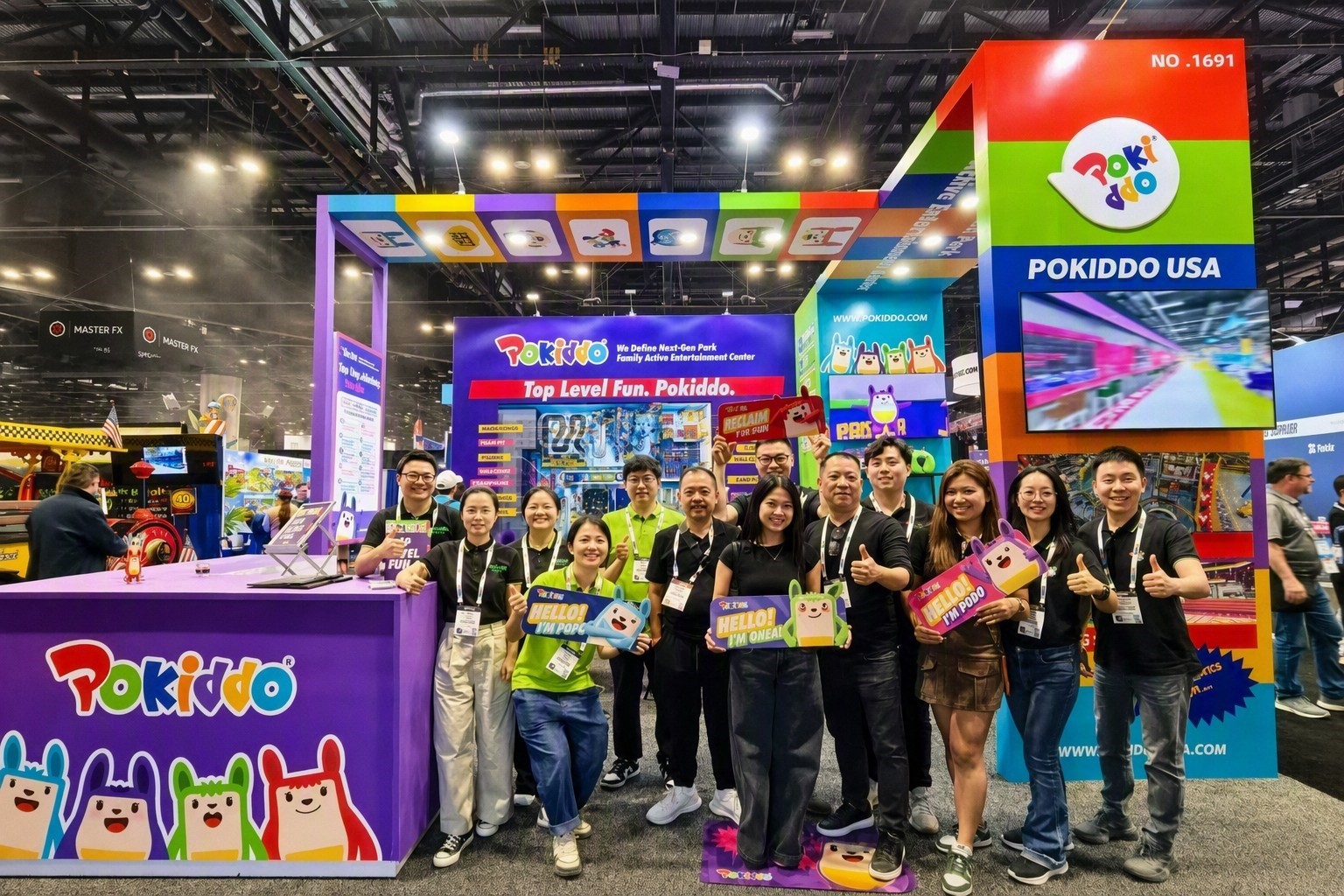
The same logic applies to the numbers. In our observation, a trampoline park cost model that reflects a focused concept tends to hold up better than one built on optimistic assumptions about a long list of attractions. And when investors compare the trampoline park franchise cost with engaging a trampoline park manufacturer directly, it is worth asking what the partner is actually strongest at. As a trampoline park manufacturer that also operates more than 60 venues, we have found it more useful to be candid about what we do well and what our partners do better.
Focus on the few things that matter. The rest tends to follow.