
That Post-Run Hunger: Should You Eat or Fight It? The Answer Might Surprise You.
A lot of runners start running for one reason, and it's usually weight control. But here's what nobody warns you about. The running part is easy. The hard part is that feeling after you finish, where you're hungry enough to eat a whole cow.
So let's talk about it. Why does running make you this hungry? Should you eat, or should you tough it out? And if you do eat, how do you do it without undoing all the work you just did?

The Hunger Is Real. Your Body Is Doing Its Job.
When you run, your body burns through glycogen and fat for fuel. Blood sugar drops. Your stomach empties faster. And your brain, very sensibly, sends out the signal: "we need food, now."
But here's the trap. The hunger you feel is almost always way bigger than the calories you actually burned.
Let's do the math. A 10k run burns roughly 500 to 600 calories. That's about a bowl and a half of rice. But that post-run hunger can absolutely talk you into eating 1,000 calories or more without you even noticing.
That's the real reason some people run and run and still gain weight. It's not the running. It's what happens after the running.

So Should You Eat? Yes. But Eat Smart.
Going completely empty? Wrong.
After a run, your body needs fuel to repair muscle and restore energy. If you eat nothing, your body starts breaking down muscle for fuel instead. Over time, your base metabolism drops, and getting lean gets harder, not easier.
Going crazy at the buffet? Also wrong.
One slice of cake can hand back all 500 calories you just worked off, plus change.
So the answer is in between. Eat at the right time. Eat the right things. Eat the right amount.

Three Things That Keep Post-Run Hunger in Check
One: hit the golden window.
The 30 to 60 minutes right after your run is when your body absorbs nutrition best. Food eaten in that window mostly goes to muscle repair and glycogen replacement. It doesn't easily turn into fat.
So don't drag it out for an hour or two. By then you're starving, and starving people make terrible decisions at the dinner table.
Two: pick the right fuel.
The post-run combo that works: protein for muscle repair, carbs to refill the tank, and as little fat as possible.
Good options? A handful of nuts and a boiled egg. Whole grain bread with peanut butter. Chicken breast or Greek yogurt with oats.
Avoid? Fried stuff, cream cakes, sugary drinks. High calorie, low nutrition, and you'll regret them by bedtime.
Three: count the total, don't eat double.
Here's the mistake most people make. They eat a "recovery snack" after the run, then eat a full meal at dinner like nothing happened. By the end of the day, they're way over.
The fix is simple. Count the post-run snack into your daily total. Had a glass of milk after your run, about 150 calories? Then eat half a bowl less at lunch. Total stays the same.

The Big Picture
Losing weight by running is 70% food and 30% training.
The calories you fought so hard to burn, one piece of cake can bring right back.
Running is supposed to get you healthier and more energized. Not hangrier. Post-run food, done properly, plus reasonable meals the rest of the day—that combination is what actually shows results.
Why This Matters at Pokiddo
Now, you might be wondering why a play park company is talking about post-run nutrition. Fair question.
At Pokiddo, we treat energy management as a required subject for everyone on the team. And food management is a big part of energy management. If you let post-run hunger wreck your day, you're undoing the whole point of the run.
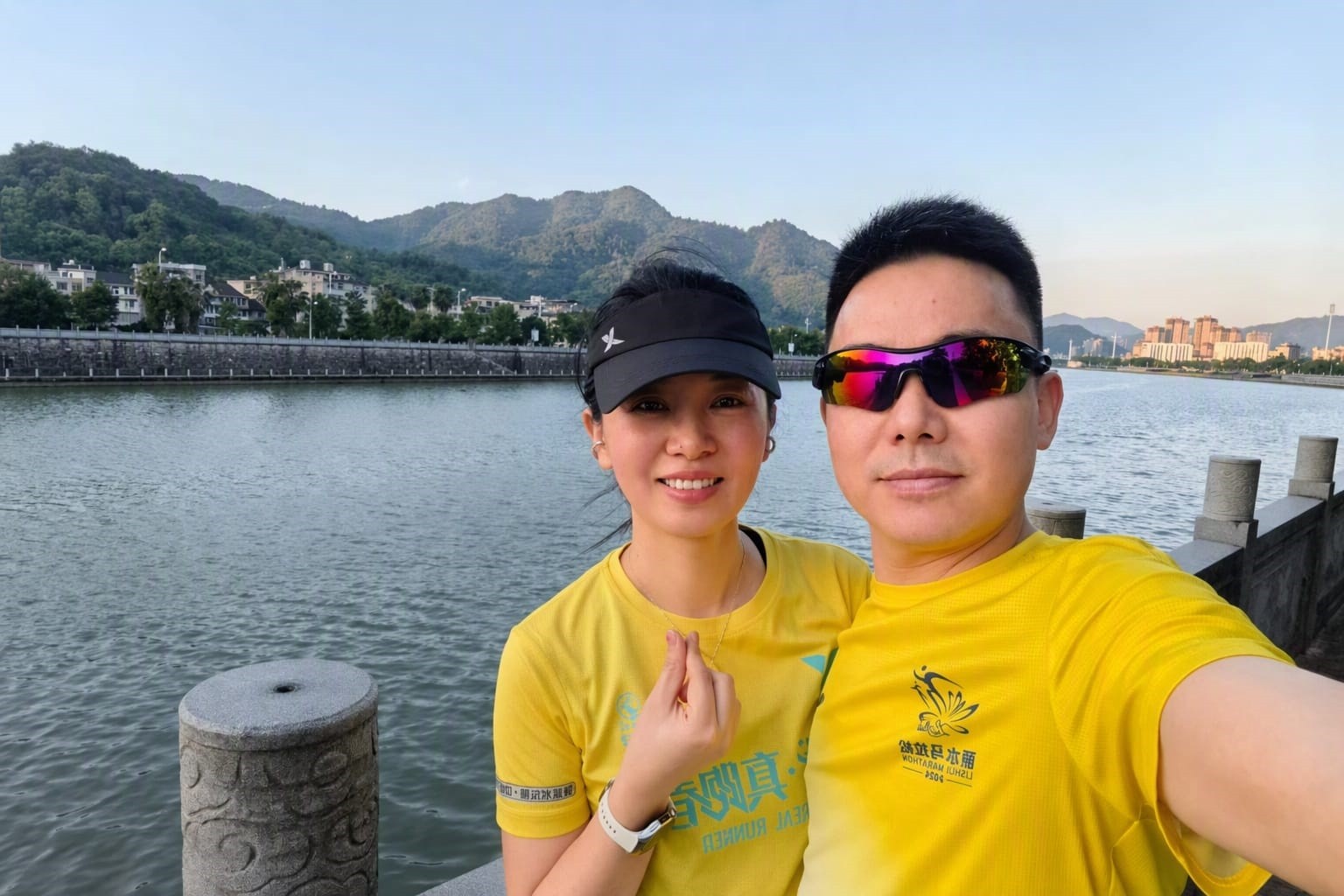
We encourage every single person here to move. Running, gym, planks, swimming. Because movement isn't just about fitness. It's the best tool we've found for raising the whole team's game.
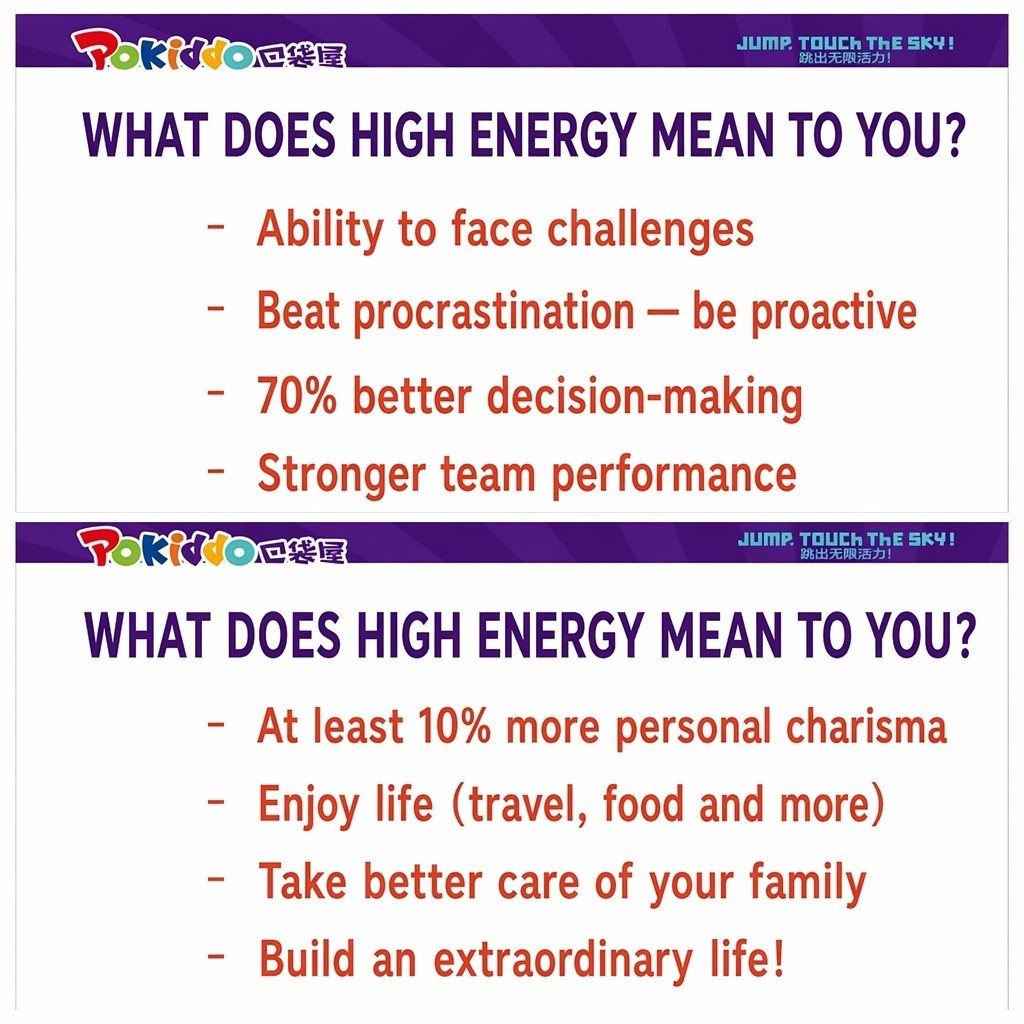
Plenty of energy means your charm goes up at least ten percent. It means you actually enjoy life—travel, food, time with family. It means you take care of yourself first, so you can take care of the people around you. It means you show up at work and handle things properly.
And Since I Know You're Thinking About the Business Side
Here's where this connects to the numbers, because I know that's on your mind.
When investors look at trampoline park cost estimates, they obsess over the build. And honestly, when you compare trampoline park franchise cost against going independent, the math is all about upfront numbers. But the long-term outcome depends on the same logic as post-run eating. It's not one big decision. It's a thousand small daily ones, and the small ones compound.
Same with the indoor trampoline park design. You can design the perfect space, but if the team running it is running on empty, the venue underperforms. And the trampoline park equipment is exactly like your muscles. It performs when it's maintained. You wouldn't skip maintenance on a trampoline for a month, so why skip maintenance on yourself?
If you're planning how to start a trampoline park, here's the honest advice from a trampoline park manufacturer who's watched venues across four continents. The best operators we know treat their own energy like a business asset. They sleep, they eat right, they move. Because a park can't out-perform its owner.
Don't let post-run hunger undo your miles. And don't let short-term decisions undo your business.
Fuel smart. Move daily. The results follow.