Why Malls Give Pokiddo Rent-Free Periods (And What That Means for You)
"You're not asking a mall for a location. You're offering them a brand that brings families through their doors."
I've watched a lot of investors sit down at mall negotiation tables feeling small. Rent. Free period. Position. It feels like the landlord holds every card.
It doesn't have to be that way.
If you've got enough leverage, the whole conversation flips. And the leverage isn't what most people think it is.
Malls Don't Actually Want Rent
Here's the thing most operators miss. When a mall recruits tenants, they say they want rent. What they actually want is foot traffic.
An empty mall is worthless no matter what the rent roll says. A brand that makes families come—that makes them stay, that makes them come back—that's the tenant a mall actually needs.
That's the shift. You're not renting a space. You're activating one.
What Pokiddo Brings to the Table
Two things, mostly.
First, we're a family traffic engine. Our core audience is kids aged three to twelve and their parents. And here's the demographic secret: kids are the decision-makers. The kid wants to come, so the parents come. Then they eat, they shop, they get coffee. That all follows naturally.
The longer a family stays, the more everyone else in the mall benefits. A family lingering for three or four hours—that's the spend the mall actually cares about. Not your lease check. The ripple.
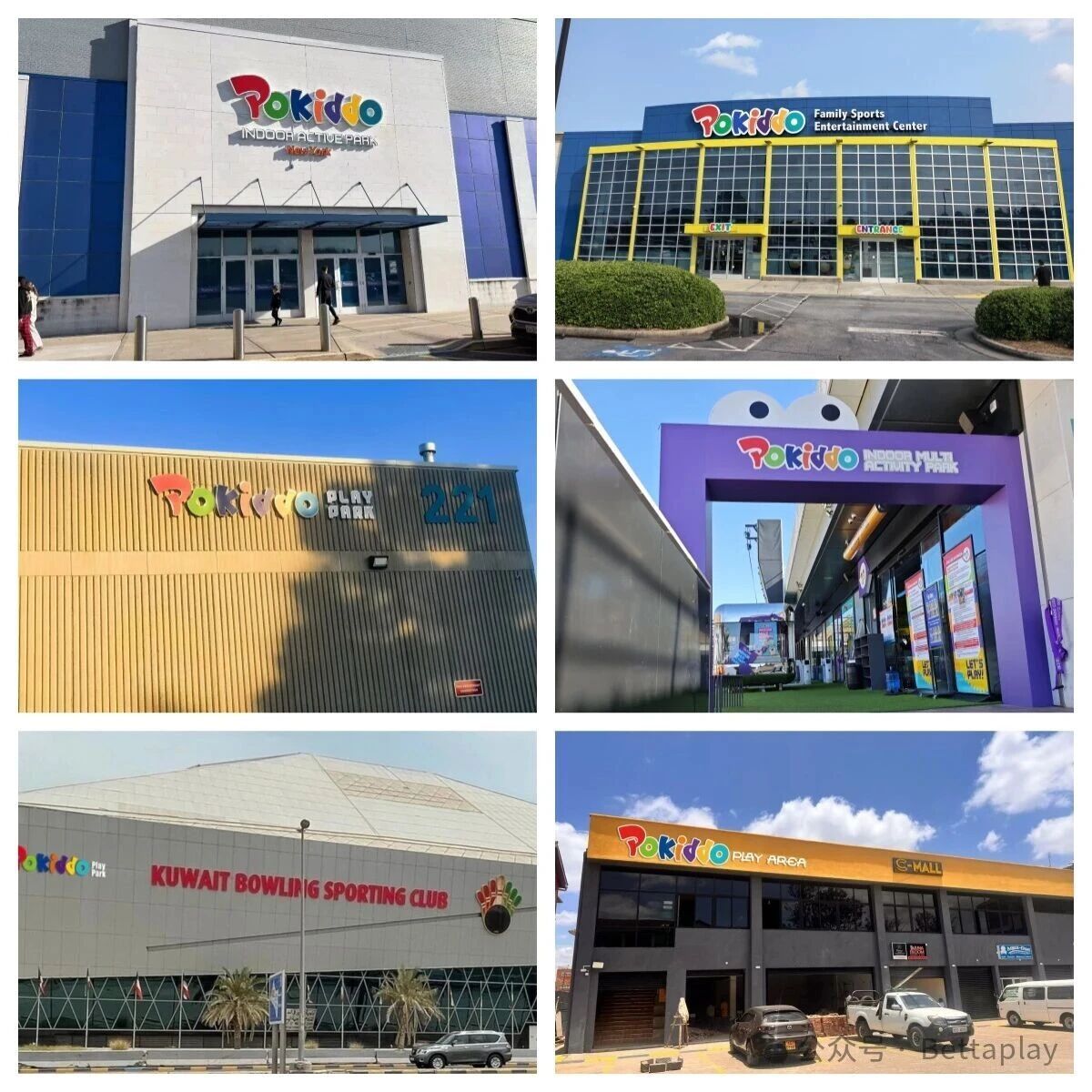
Second, we're a brand upgrade. Pokiddo has operating venues in more than sixty markets globally—the US, Europe, the Middle East. For a mall, landing an international sports-play brand is a trophy. It lifts the whole center's positioning. Other quality brands look at a mall with a Pokiddo in it and think: this place is serious.
Mall leasing directors have told us this directly: once you're in, recruiting other family brands gets easier.

Bring Numbers, Not Requests
Every Pokiddo partner carries a dataset when they walk into a negotiation. Our venues consistently lift family traffic for the surrounding area. They extend dwell time. They drive sales for neighboring tenants.
Those aren't marketing claims. They're compiled from sixty-plus real locations, one season at a time.
So when you sit down with data, you're not asking for favors. You're offering value. You're saying: put me here, and here's the problem I solve for you.
That's why malls give Pokiddo partners longer free periods and better positions. They've done the math. A brand that keeps families coming beats a few months of rent. Every time.
The Leverage Question
Now, the honest version.
This conversation works when you actually have a brand behind you. When you're a generic tenant with a generic space, the mall holds the power. When you're offering something they can't easily replace, you hold it.
That's the real question to ask yourself before any negotiation: do I have leverage they can't ignore?
If you're still figuring out how to start a trampoline park and haven't thought about the mall conversation yet—start now. The trampoline park cost discussion everyone focuses on is the wrong one. The real number is what your venue does to the mall's family traffic. That's the number that earns you the free period.
And if you're weighing trampoline park franchise cost against building independent—know that the brand story is part of what you're buying. A recognized name changes the negotiation. It's not just a logo. It's leverage.
What Actually Moves the Needle
As a trampoline park manufacturer that's watched sixty-plus venues negotiate their way into malls across four continents, I can tell you what separates the ones who get good terms from the ones who don't.
It's not the trampoline park equipment list. It's not even the indoor trampoline park design, though that matters for dwell time. It's whether the operator walks in with a story the mall wants to believe—backed by numbers it can check.
The equipment is the vehicle. The brand is the engine. The data is the fuel.
Bring all three, and the free period takes care of itself.
Before Your Next Meeting
Ask yourself one question: is my brand something a mall feels it must have, or something it can take or leave?
If the answer is the second one, work on the brand before you work on the rent.
Because the operator who walks in offering value doesn't beg for terms. They set them.