
Want a Smarter Kid? Science Rejects Endless Worksheets — Focus on Move, Play & Read
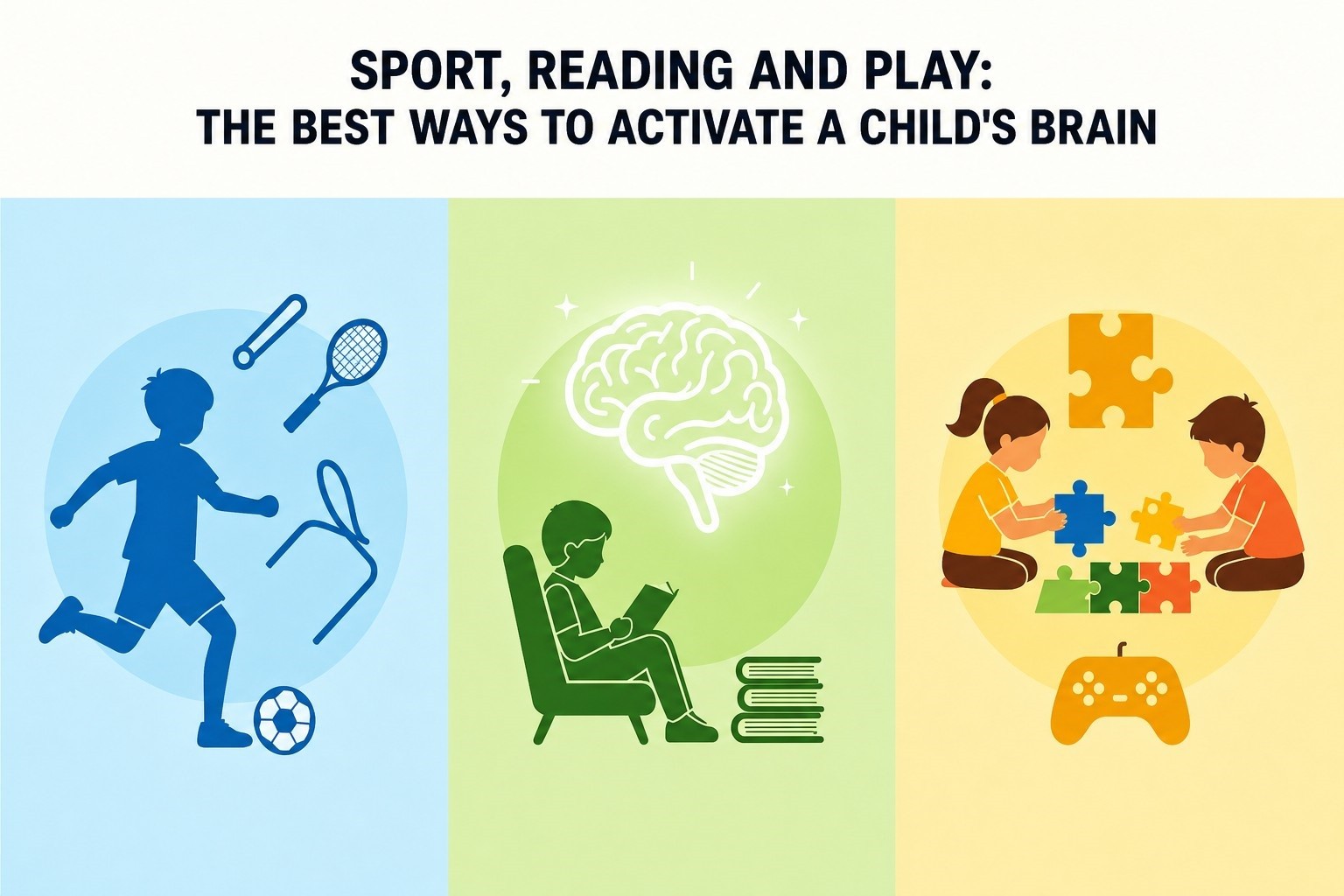
Last month I sat through a talk by a neuroscientist on how to activate a child's developing brain. Her prescription cut against everything the parenting-content machine sells. It was movement, reading, and play. No apps, no early-academic programs, no flashcards. Just the ordinary activities children already gravitate toward.
For anyone who runs an indoor family entertainment center, the connection is hard to miss. These three activities are exactly what a well-operated venue delivers every day. Below is the neuroscience behind that overlap, and what it suggests for parents and for the people who design spaces for children.
The Brain Develops Throughout Childhood — There Is No "Starting Line"
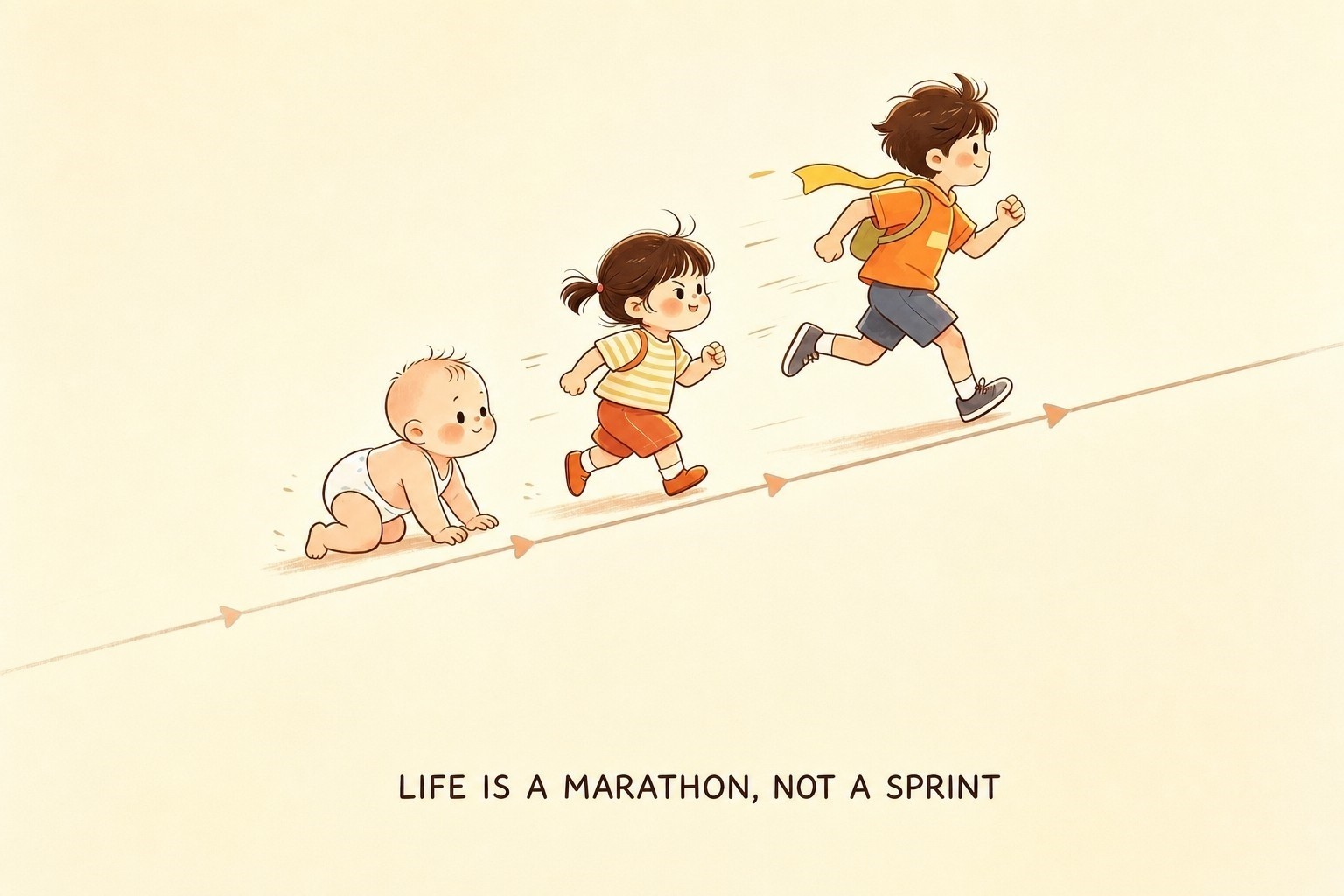
Plenty of parents worry about falling behind, and some start formal instruction before a child can talk. Neuroscience tells a different story. The brain is plastic: neurons keep regenerating and connections keep rewiring across the lifespan. Neither age three nor age seven seals a child's future. Development is a marathon, and a slow start does not decide where a child ends up.
We have watched children in our venues who spoke and reacted slowly at three or four, while their parents quietly panicked. Then, around primary school age, something clicked. They did not get smarter overnight. Their brains simply reached the stage where earlier experience could consolidate.
The lesson for parents is to hold off on labels. The people who succeed in life are rarely the ones who started fastest; more often they are the ones who turned the corner at the right moment, when accumulated experience and brain maturation finally lined up.
Emotion Shapes Learning More Than IQ
Notice how a child in a good mood absorbs new material quickly, while the same child, upset, seems unreachable no matter how the lesson is presented. This is not a parenting impression. Emotion turns out to be one of the fastest levers the brain responds to. Passive exposure does little; what lasts is active engagement. Children learn fastest when they want to learn — and they resist the moment an adult starts forcing or scolding.
Our party managers deal with this daily. When a child melts down, the protocol is not to demand compliance. It is to restore emotional balance first, usually by getting the child moving or by kneeling down and asking, "Are you feeling sad?" Once the emotion settles, the child listens again.
Handle the emotion before the problem. The rule works at home, in school, and in running a business.
Movement: The Best Brain Food There Is
Neuroscientist Hong Lan states the mechanism plainly: exercise releases dopamine and serotonin, the two chemicals most responsible for forming neural connections.
The lab work supports her. Mice that exercise develop a hippocampus about 15% larger than sedentary mice, with roughly 25% more neural connections. Exercise even appears to slow brain aging — in one study, a two-year-old mouse that worked out had a brain comparable to a six-month-old's.
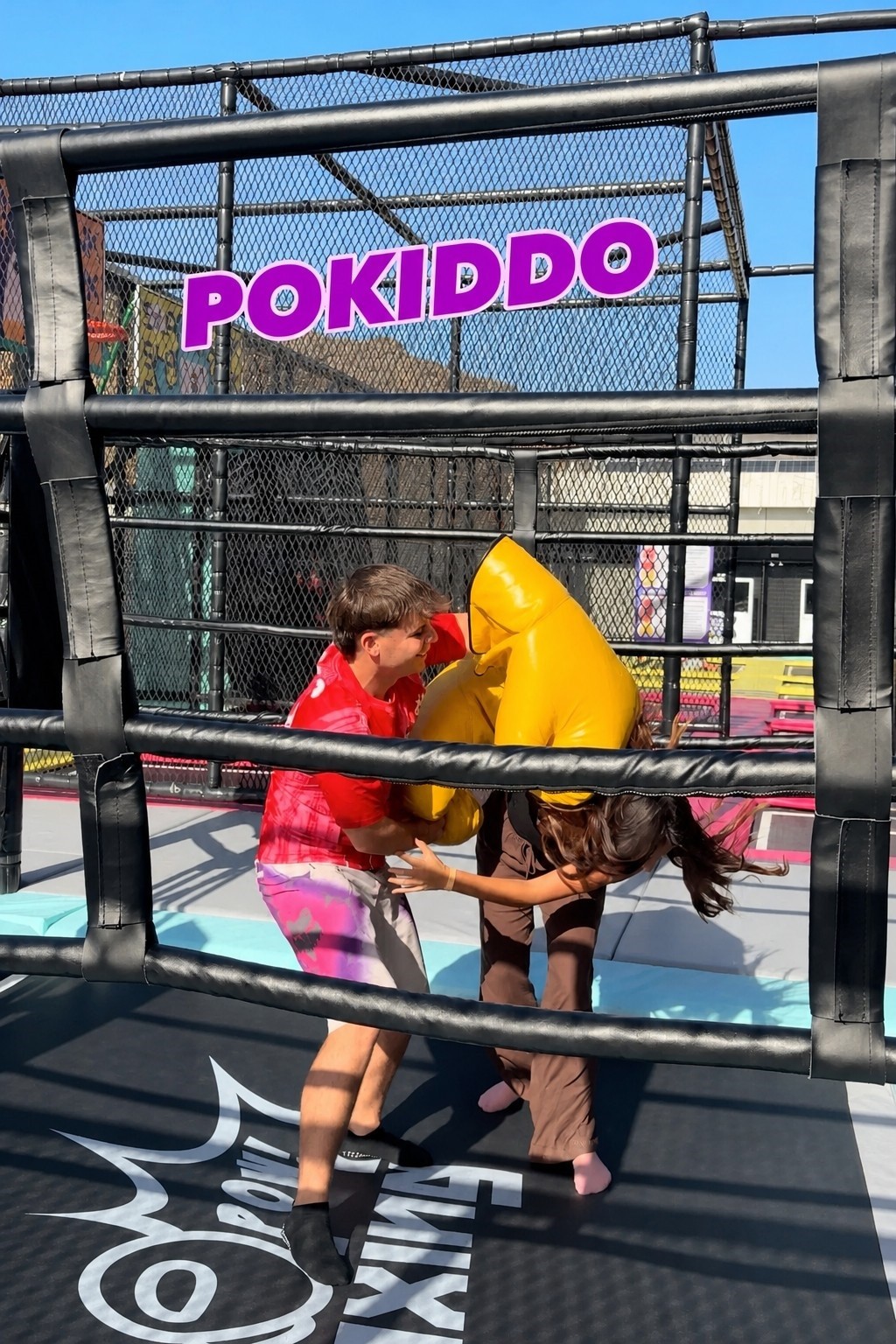
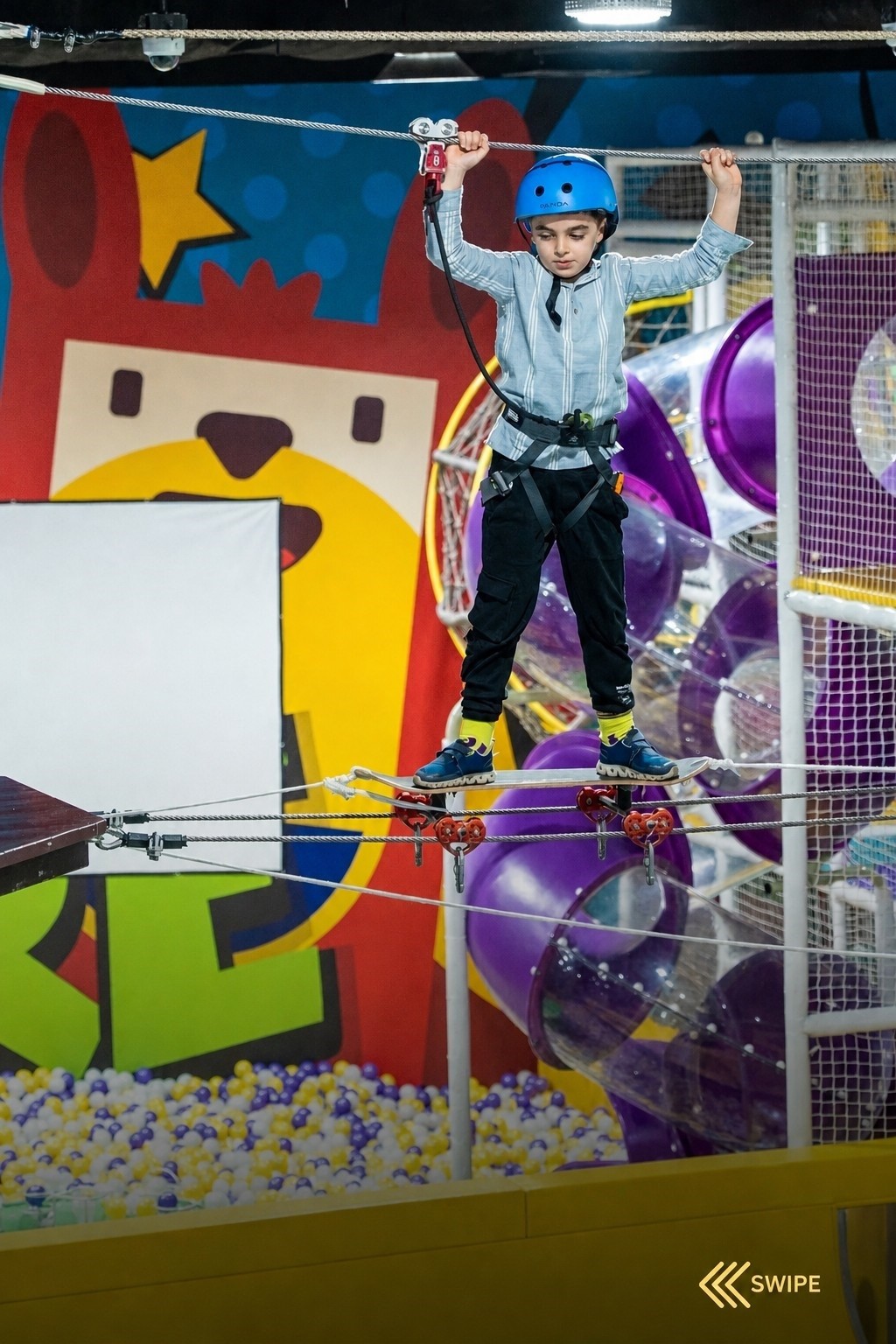
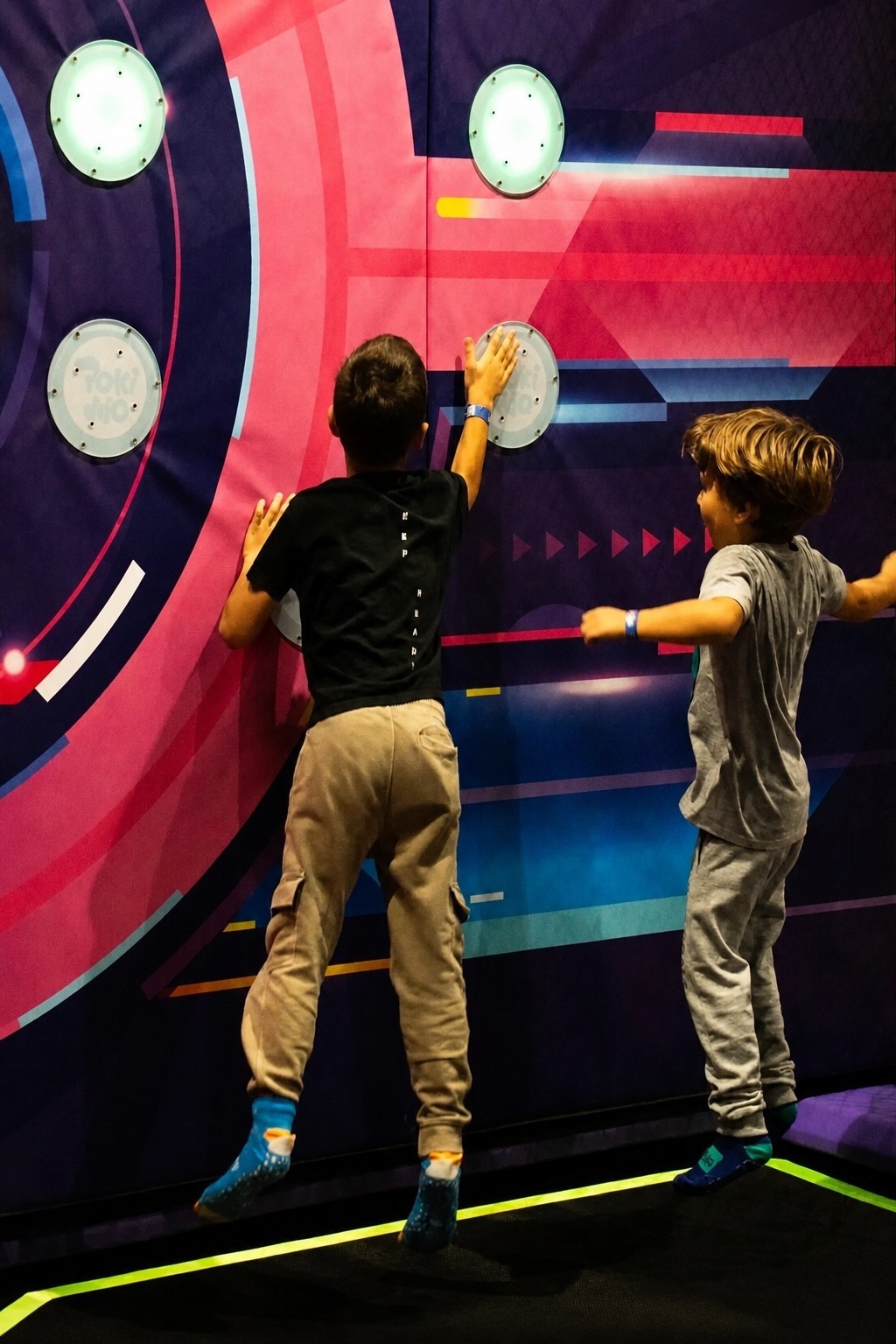
That explains why the trampolines, climbing walls, and ninja courses inside our parks are more than entertainment. Each jump, each climb, each balance challenge does quiet work inside a child's developing brain.
A practical detail follows: learning efficiency peaks right after exercise. The common rule "finish your homework, then you can play" has the order wrong. Let a child bounce first, and homework tends to go faster afterward.
Play Is Not the Enemy of Learning — It Is Part of It
Play is not wasted time. For a child, it is one of the most effective learning tools available. Group games teach cooperation, turn-taking, and how to lose without falling apart. Hide-and-seek builds perspective-taking. Role-play stretches the imagination. Even the ordinary cycle of fighting with a friend and making up again is emotional intelligence training in real time.
Children who play well tend to have higher social intelligence, because group play carries immediate consequences. A child who dominates loses playmates; a child who is too timid gets walked over. No textbook can teach these lessons. They only grow through real interaction.
Pokiddo's claim that "people who play well succeed in life" is not a marketing slogan. Play is how a child learns to understand the world — and themselves.
Reading: Stilling the Body, Widening the World
Speech is an instinct. Reading is a habit. Children learn to talk without any instruction, but reading has to be cultivated — and it is one of the most reliable ways to help an active child go still. Reading moves about three times faster than conversation, so the more a child reads, the broader their background knowledge grows and the deeper their view of the world becomes.
The effect shows up in places you would not expect. A few parks we know keep a small shelf of picture books in the rest area. Children who have worn themselves out on the trampoline wander over and flip through a few pages while parents catch their breath. That modest corner quietly builds a reading habit.

What This Means in Practice
None of these three activities is hard to arrange. What is hard is the parent's willingness to set aside comparisons and anxiety, and to actually show up with time. Pokiddo's mission is "making kids more alive." That aliveness is not only physical. It is an energized brain and a full emotional life.
Take children out to run and jump. Play with them. Read to them. Stop measuring them against grades or against other children. Every child develops on their own timetable; the adult's job is to offer a space that is safe, loving, and full of movement, games, and books. Time does the rest.
The Same Principle Applies When You Build a Venue for Children
Parents and park developers share a problem. Both are investing in something that develops on its own timetable, and milestones cannot be forced.
Some investors fixate on every number in the business plan and forget that a venue is a living operation. It has to feel right before it performs. The indoor trampoline park design you approve sets that tone — the layout either makes families feel safe and energized, or it quietly works against you. At Pokiddo we design parks the way we would design a childhood: zones for movement, corners for rest, books within reach.
Most of our clients arrive after researching how to start a trampoline park, and the question that matters most is rarely the floor plan. It is whether the trampoline park equipment can absorb years of daily use from hundreds of energetic children — the part of the business that builds strength over time. No operator wants to learn about the trampoline park cost through unplanned replacements and closures that no budget anticipated.
When investors weigh the trampoline park franchise cost against working directly with a trampoline park manufacturer, our advice mirrors what we would tell a parent. You are not buying a product. You are choosing the partner who stays with the project while it grows. Pokiddo has built more than 60 venues worldwide and still operates several of them ourselves; a manufacturer cannot credibly guide operators without operating.
Raise a child the way you would build a venue: give it the right nourishment, the right activity, and the right rest. Then let time and consistency do their work.