
The Stronger AI Gets, the More Kids Need Real Play Parks
"If AI can teach a child every fact and simulate any scene, do we even need physical play parks anymore?"
I get asked this a lot lately. And my answer usually surprises people: because of AI, the future of play parks is clearer, not murkier.
I'm Katie. Here's the reasoning.
A Question That Sounds Like a Threat
A few weeks ago, someone put it to me bluntly. AI can teach kids everything. AI can simulate anything. So what's the point of a physical park?
On the surface, it reads like a challenge to the whole industry. Look closer, and the question points to something deeper.
My answer is short: now that AI owns the knowledge, parks matter more, not less.
What "Play Intelligence" Actually Means
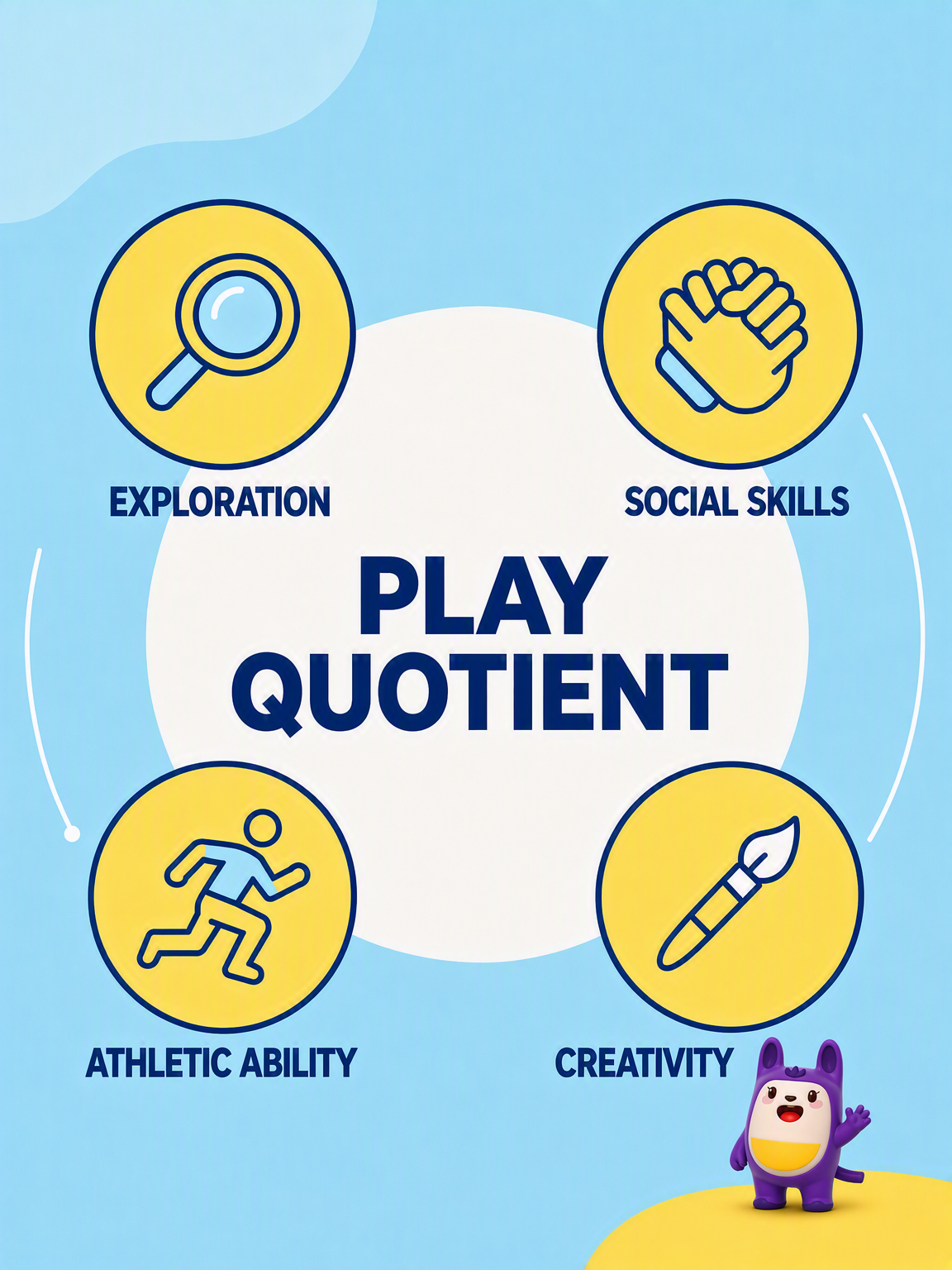
A word has been picking up real traction in 2026: play intelligence.
Four parts to it. Exploration. Social skills. Physical ability. Creativity.
Here's the thing—AI can't teach these. Schools can't test these. They only grow in real play, in contact with people and environments, in trying, failing, and trying again.
That's the heart of a physical park. Nothing else touches it.
Experiences AI Can't Recreate
A few real examples.
Immersive detective castles. Kids turn into detectives solving cases in a physical space. They're not passively absorbing information—they're observing, reasoning, and cooperating. Every move trains a different skill.
An art park where Van Gogh's paintings become interactive canvases, and kids paint with their bodies. That's not play. That's learning through motion.
A theme park that wired geography sensors into its roller coaster, so kids feel gravity and acceleration while their stomachs drop. Knowledge and experience, fused in a single moment.
A toy park where kids design their own blind boxes on a 3D printer and scan the finished piece into a virtual gallery. Ideas become objects. Work gets kept. AI can't hand out that kind of pride.
See the pattern? When AI takes over the delivery of facts, a park stops being an entertainment venue and turns into a training ground for real-world skills.
Humans Are Wired for Real Physical Experience
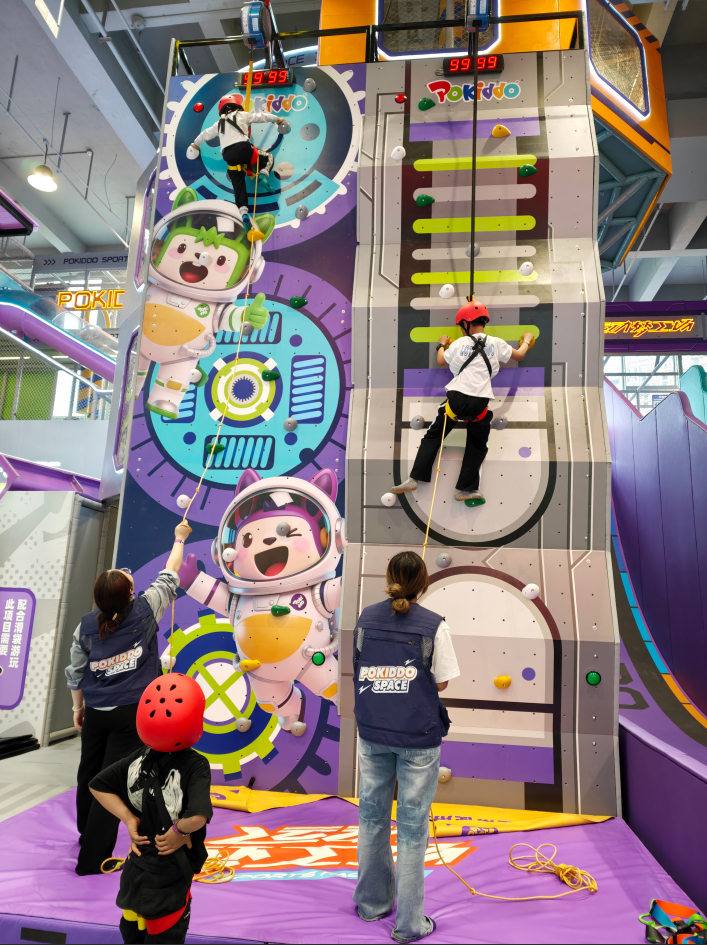
One number has stuck with me for years: 70% of park visitors come in groups.
Why? Because we're built to solve problems together.
Climbing together. Finishing a physical challenge together. Figuring out a game together. The dopamine, the trust, the belonging from those moments—no screen, no simulation can replace any of it.
AI can tell you what teamwork means. But only on a real climbing wall does a kid learn what "I've got you, climb" feels like.
Parks Are Quietly Becoming the Best "Extracurricular Class"
We used to think extracurriculars meant English, math, coding. The next few years may turn the play park into the most valuable classroom a kid steps into.
It isn't a school. But it teaches what schools can't:
How to find your place in a team. How to get back up after failing. How to feel and express things with your body. How to connect with real human beings.
Those are the rarest, most valuable skills of the AI era.
So Yes—the Future Got Clearer
Every time someone asks if parks have a future in the AI age, I give the same answer. Because of AI, the future is clearer.
No matter how far the tech goes, humans still need:
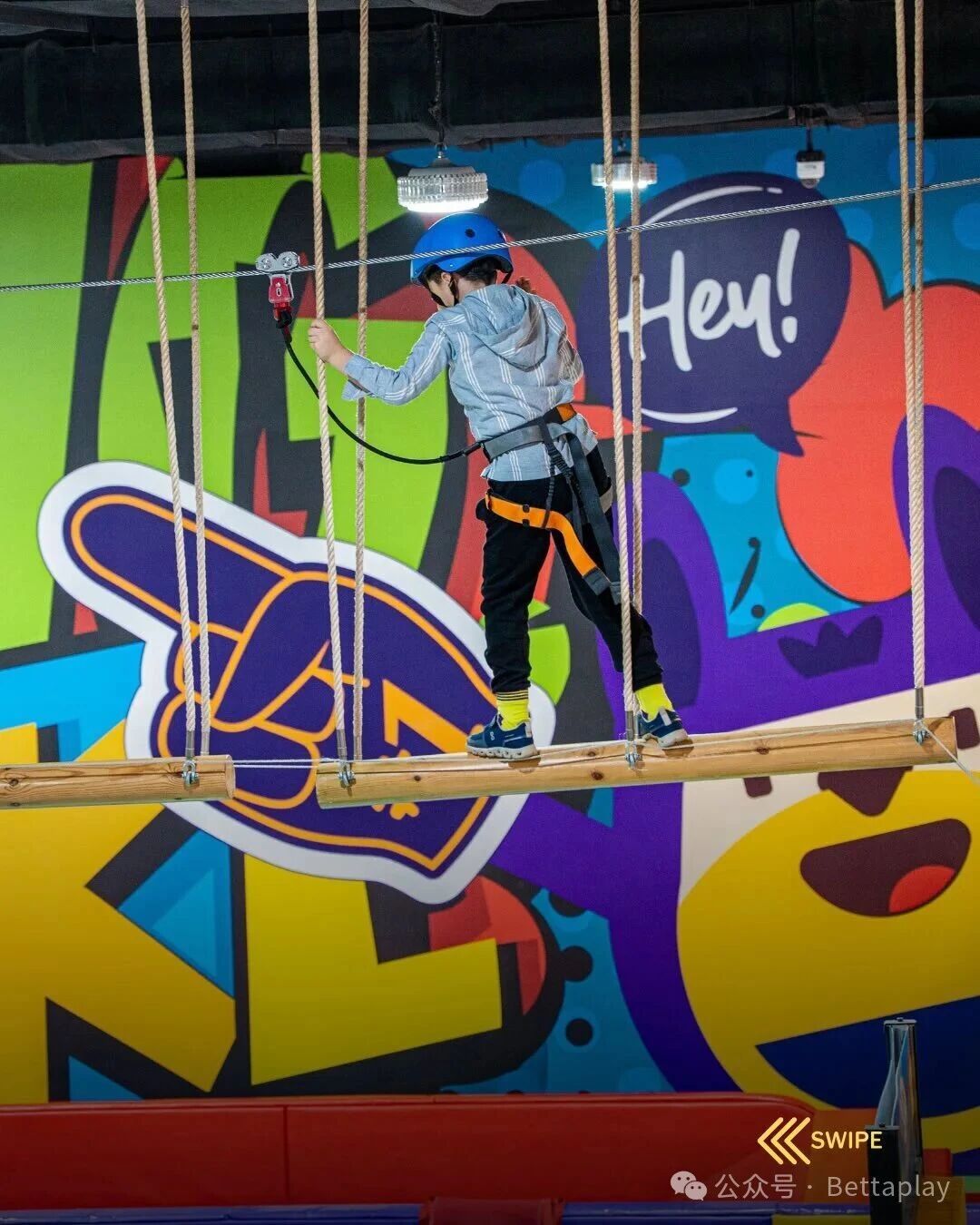
Real bodies. Real touch. Real sweat. Real hugs.
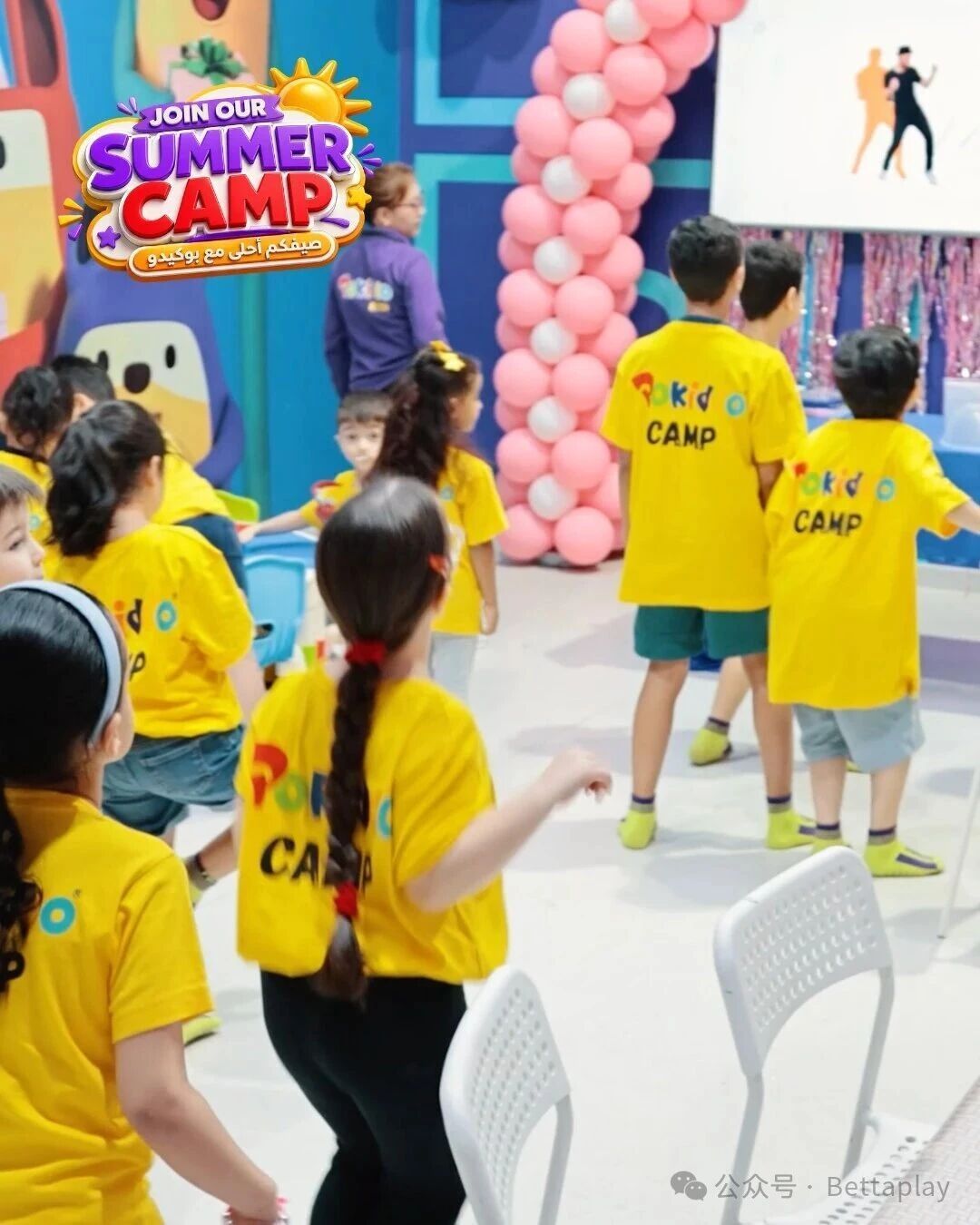
That's what Pokiddo does, every single day.
A Word for the Operators
Now let me bring this down to earth, because I know some of you are deep in budgets and build decisions right now.
Here's a pattern I see constantly. An investor hunts for the lowest trampoline park cost quote and treats that as the whole game. Or someone weighs trampoline park franchise cost against going it alone and lets the spreadsheet cast the deciding vote. Money matters—sure it does. But the math only works if you know what you're actually selling.
You're not selling trampoline park equipment, whatever the invoice says. You're selling what this article is about: the group climb, the shared challenge, the kid who walks out taller than they walked in.
That's why indoor trampoline park design carries so much weight. A park laid out for group play—climbing walls side by side, two-person challenge courses, open zones that pull kids toward each other—does that teaching without a word. Design is the silent teacher.
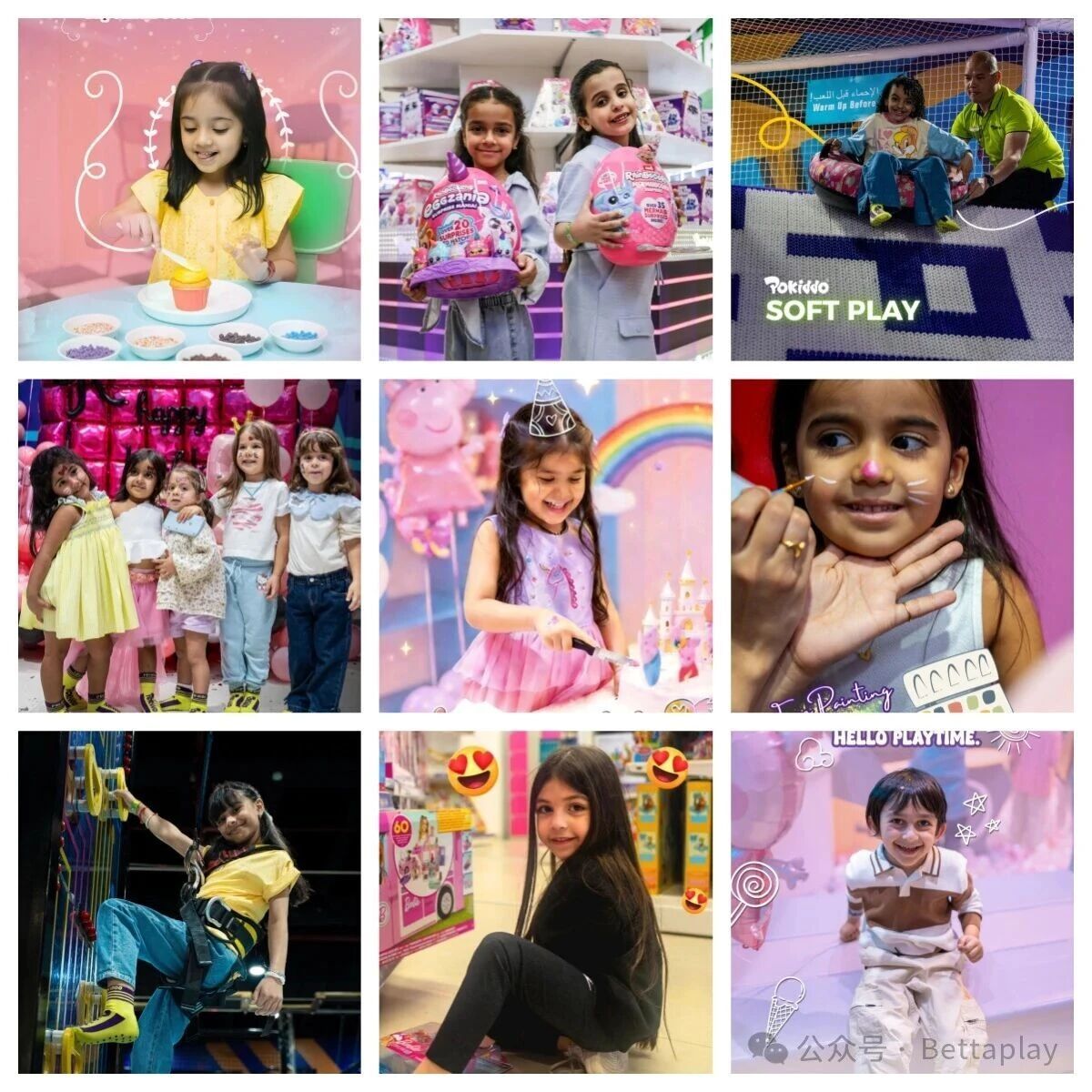
And if you're figuring out how to start a trampoline park, take this from someone who's been at it for years. As a trampoline park manufacturer, we've shipped parks to six continents, and the venues that last aren't the ones with the biggest screens or the flashiest simulators. They're the ones built around real, physical, together experiences.
AI will keep getting stronger. The parks that give kids what AI can't will too.
If you believe kids should grow into whole people through play—not just people who can solve problems, but people who can explore, cooperate, create, and feel—come talk to us.
Let's take play as seriously as it deserves.