How to Actually Choose a Play Equipment Supplier (Hint: Stop Comparing Pictures)
A client recently sent me a few design drawings and asked: "Katie, what do you think of this plan? Can I make money with it?"
My honest answer: I can't tell from the drawings. And that's not me being evasive—it's me genuinely worried for them.
Choosing a supplier is genuinely hard. Especially for first-time park investors shopping online: a wall of dazzling design images, all of them looking good, all of them looking the same. How are you supposed to decide?
Today I want to talk through this properly. Not just "don't judge by pictures," but the real breakdown: what's actually hard about choosing a supplier, where the traps are, and how to avoid them.
Comparing Pictures and Prices Is the Fastest Way to Go Wrong
Let's be blunt: comparing design images is the least professional way to choose.
Indoor parks are fully custom. The same drawing, made with different materials, different craftsmanship, and different safety standards, can get ten quotes from ten suppliers.
One supplier quotes 1,000 per square meter. Another quotes 2,000.
The cheap one looks great—until you learn: non-standard steel that's too thin, starting to deform in year three. Foam padding with density so low it collapses in six months. No international certifications, so the fire inspection fails after installation. Paint that doesn't meet environmental standards, filling the venue with fumes on opening day while parents complain.
None of that shows in the drawings. None of it shows in the quotes either.
When you shop by price, you're not comparing value. You're comparing who hides their hidden costs deeper.
I've seen investors pick the cheapest option, then watch the traps surface one by one after installation: no certifications, the local inspection stalls for three months. Poor quality—three machines broken in the first week. No after-sales—messages ignored, calls unanswered. Drawings that don't match reality—mid-installation, the dimensions turn out wrong.
Every one of those problems burns money. Every one burns your patience and your confidence.
A True Story: Even an Insider Got Burned
Let me tell you about a real case.
We have an Indian client who runs a foam padding factory himself. Half an insider, you'd say. He understands materials, craftsmanship, and costs. Not easy to fool.
His first order: he looked at 20-plus suppliers, compared, and picked a factory in Guangzhou. Why? Low price and pretty drawings.
The result? Problems everywhere. Poor quality—padding seams splitting, rough steel welds. No after-sales—when something failed, they said "that's not covered." Certification issues—the local government demanded EN 1176 certificates, and the supplier couldn't produce them.
A guy who knew the industry got burned like that. Imagine the risk for a complete newcomer. He moved every subsequent order to us, and said something I'll never forget: "If I'd known, I would have come to you on the first order. I tried to save a little money, and it cost me three times the time and energy to fill the holes."
This isn't an isolated case. We've seen too many. Behind every trap is an investor's hard-earned money and a delayed dream.

Why Online Supplier Shopping Is So Hard
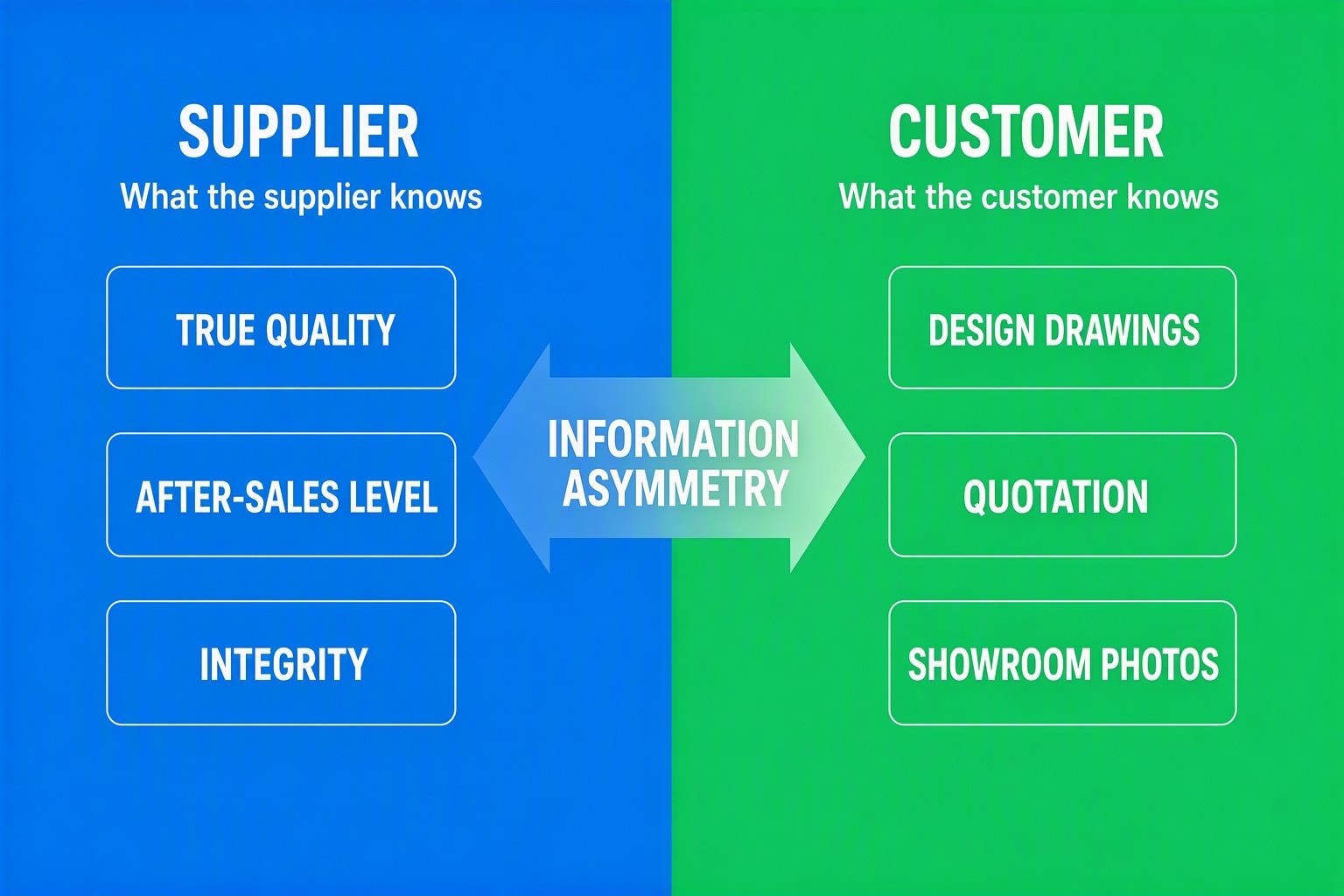
I kept asking myself why. Then it clicked: information asymmetry.
The supplier holds information you don't: their real quality, their real after-sales, their real integrity. All you hold is what they choose to show you—design drawings, quote sheets, showroom photos.
All of it is "packaged."
It's like a restaurant: the menu photos look great, but what arrives at your table might be completely different. You haven't eaten there—how do you know if it's good? You rely on reputation, on friend referrals, on tasting it yourself.
Same with suppliers. Drawings can be Photoshopped. Quotes can be adjusted. A showroom can be built as a "display version." But real factory capability, real project cases, real team quality—you can't see those through a screen.
Three Things You Must See With Your Own Eyes
Investors who've seen both success and failure eventually all learn the same lesson: there are three things you must verify in person. Miss one, and your risk goes up.
First, see the factory. Not the lobby—the production line. Is the equipment theirs, or outsourced? Is there a quality inspection process at every step? How many engineers do they have, and do they have international certification experience? A factory's real level isn't in the showroom. It's on the production line.
Second, see real cases. Not renderings. Not a sample room. Visit stores that have been running for a year or two. Is the equipment still safe—no looseness, deformation, fading? Is the venue still busy—a genuinely operating store, not a "display store" built for visitors? Does after-sales still respond? Ask the owner: how fast do they react to problems? Is maintenance actually done?
A supplier's real level isn't in the images they give you. It's in the projects they've already delivered.
Third, meet the boss. Look at the person's mindset. Does this team actually treat your business as their business? When a problem appears, do they pass the blame or carry it? Can they deliver what they promise? Are they chasing a one-time deal or a long-term relationship? One conversation may not tell you—but sitting in their factory and talking will give you a feeling.
You're Not Looking for a Supplier. You're Looking for a Partner.
If you want to treat your park as a real business, what you need isn't a supplier. It's a partner.
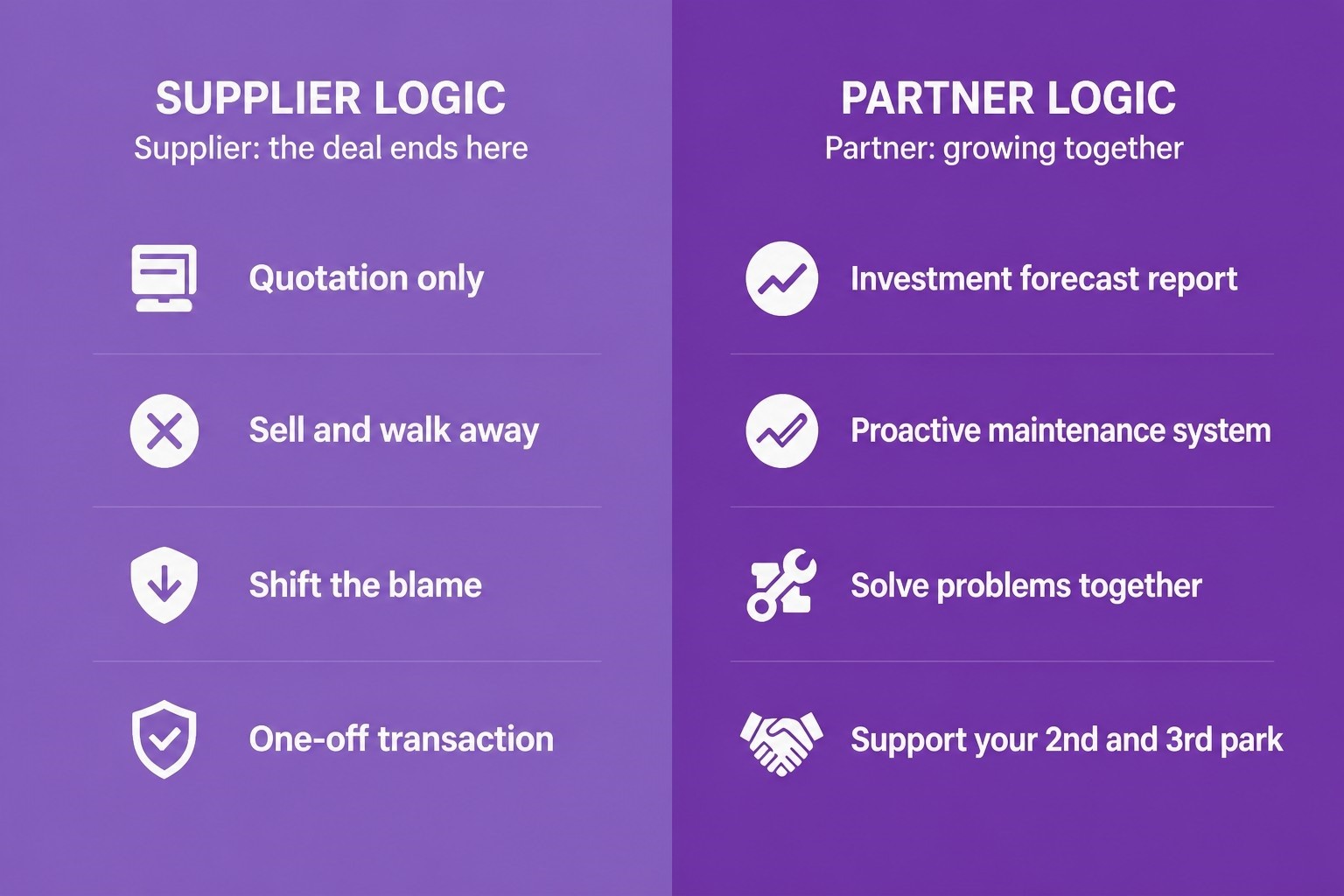
A supplier's logic: sell you the equipment, transaction over.
A partner's logic: help you build a profitable business. When you make money, they keep getting business.
The difference shows in every detail. A supplier hands you a quote sheet. A partner hands you an investment forecast report. A supplier disappears after delivery. A partner runs a proactive maintenance system. A supplier shifts responsibility. A partner figures it out with you. A supplier wants one order. A partner wants to support your second and third locations.
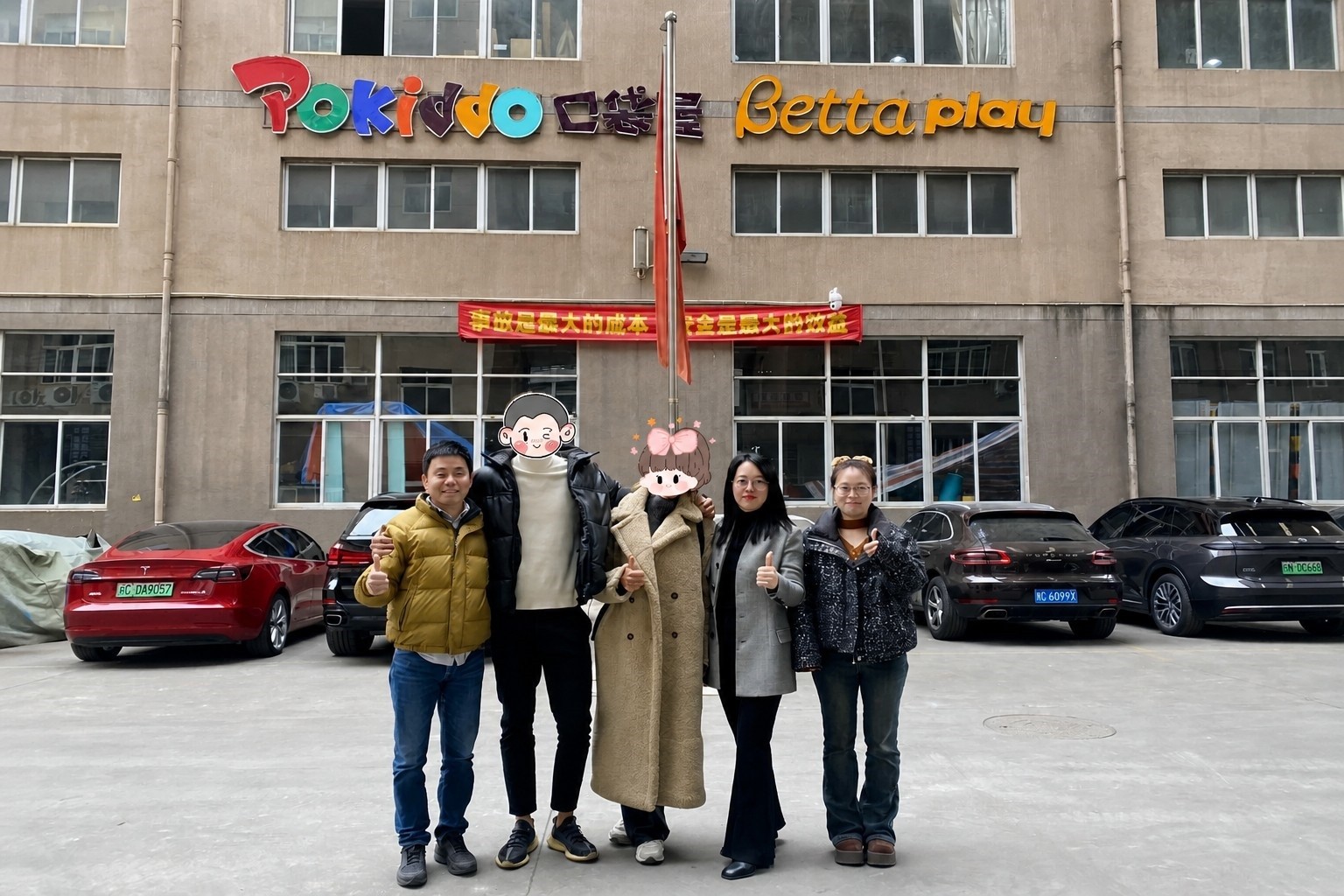
Same at Pokiddo. Our 60-plus global venues aren't "customers" we found—they're long-term partners we're walking with for five or ten years. We're not afraid of you coming to check. We're afraid of you not coming. Because only when you see it for yourself will you know whether what we say is real.
If You're Considering the Park Business
If you're thinking about building a park, or if you've been burned before and want to fix it, come talk to us. We've seen a lot of traps, and a lot of investors who climbed out and started over. We can help you find the invisible holes—one by one—and fill them.
The Numbers Side
If you're comparing trampoline park franchise cost against a direct partnership, the quote sheet is the least interesting document in the stack. What matters is what happens in year two and year five. The trampoline park cost you "save" on a cheap supplier has a way of coming back with interest.
When you plan how to start a trampoline park, budget for the difference between a supplier and a partner. Real trampoline park equipment comes from a trampoline park manufacturer with real factories, real certifications, real cases. A proper indoor trampoline park design comes with the operational logic behind it.
And the fastest way to tell a partner from a supplier? Ask about the projects they've delivered, visit the ones running today, and sit down with the people who run the company. That's the whole checklist.
You're not choosing a factory. You're choosing who stands next to you when things go wrong.