Nine Years, Sixty Parks: The Three Things That Actually Separate Great Operators
"Katie, how do I make my park better than everyone else's?"
I've had some version of that question thrown at me for nine years now. First store in Wenzhou, 2017. Sixty-plus Pokiddo venues around the world today. And after all that, I can tell you what doesn't make a park great: the equipment. The design. The location. Those matter, but they're not what carries a venue through a bad year.
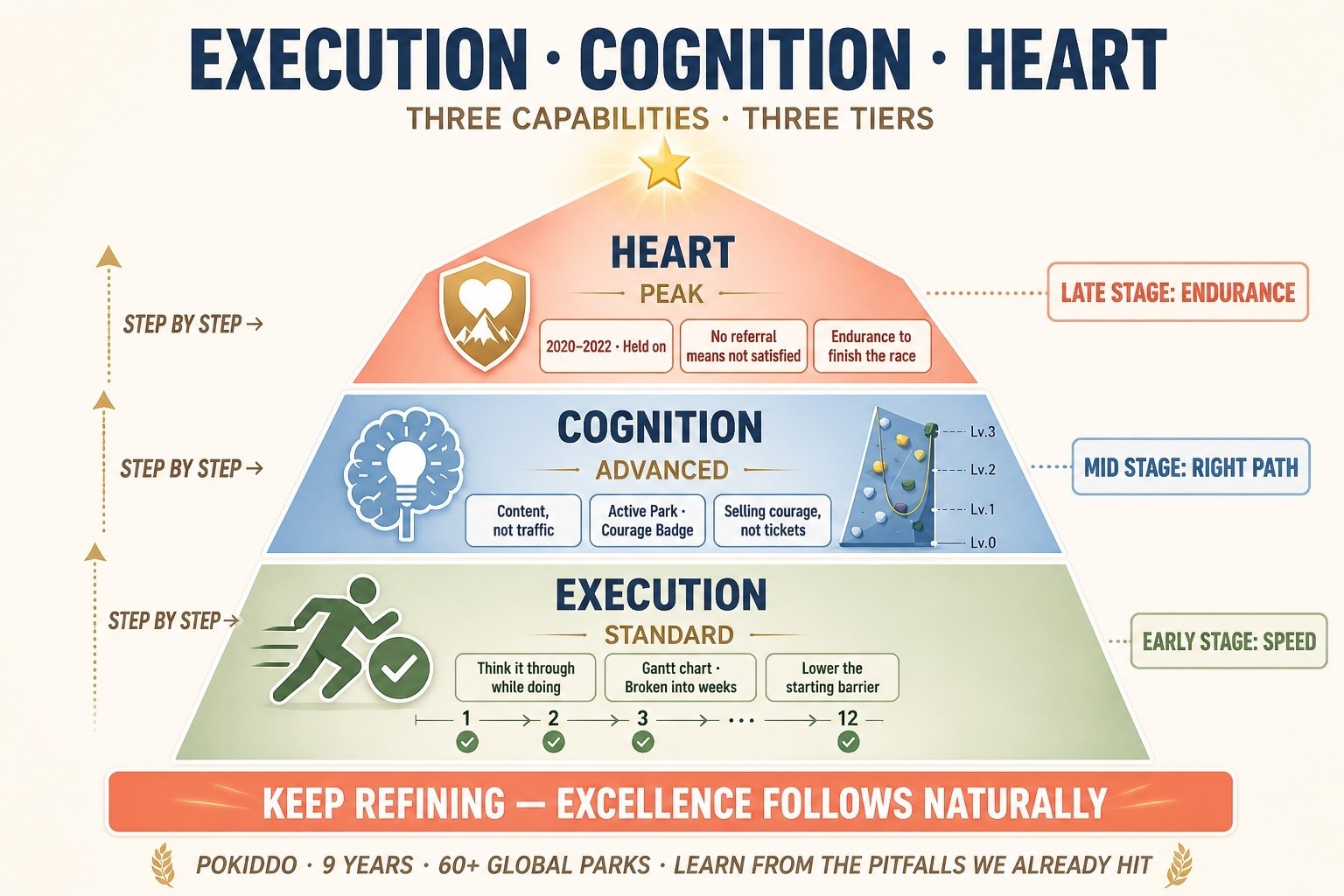
It's three abilities. And most operators only ever develop the first one.
The Free Day That Taught Us More Than Any Course
Our first direct-operated store in Wenzhou opened its doors, and we decided to make that day free.
By closing time, the place looked like a war zone. Trash everywhere. The ball pit and every trash can were full of the trampoline socks we'd given away for free. The entire team was still cleaning at midnight.
That night, we learned something that no business course would have taught us: you can't serve everyone, and you have to choose who you serve. Free admission brought the crowd that wanted something for nothing. The families who would happily pay for a great experience? They stayed home that day.
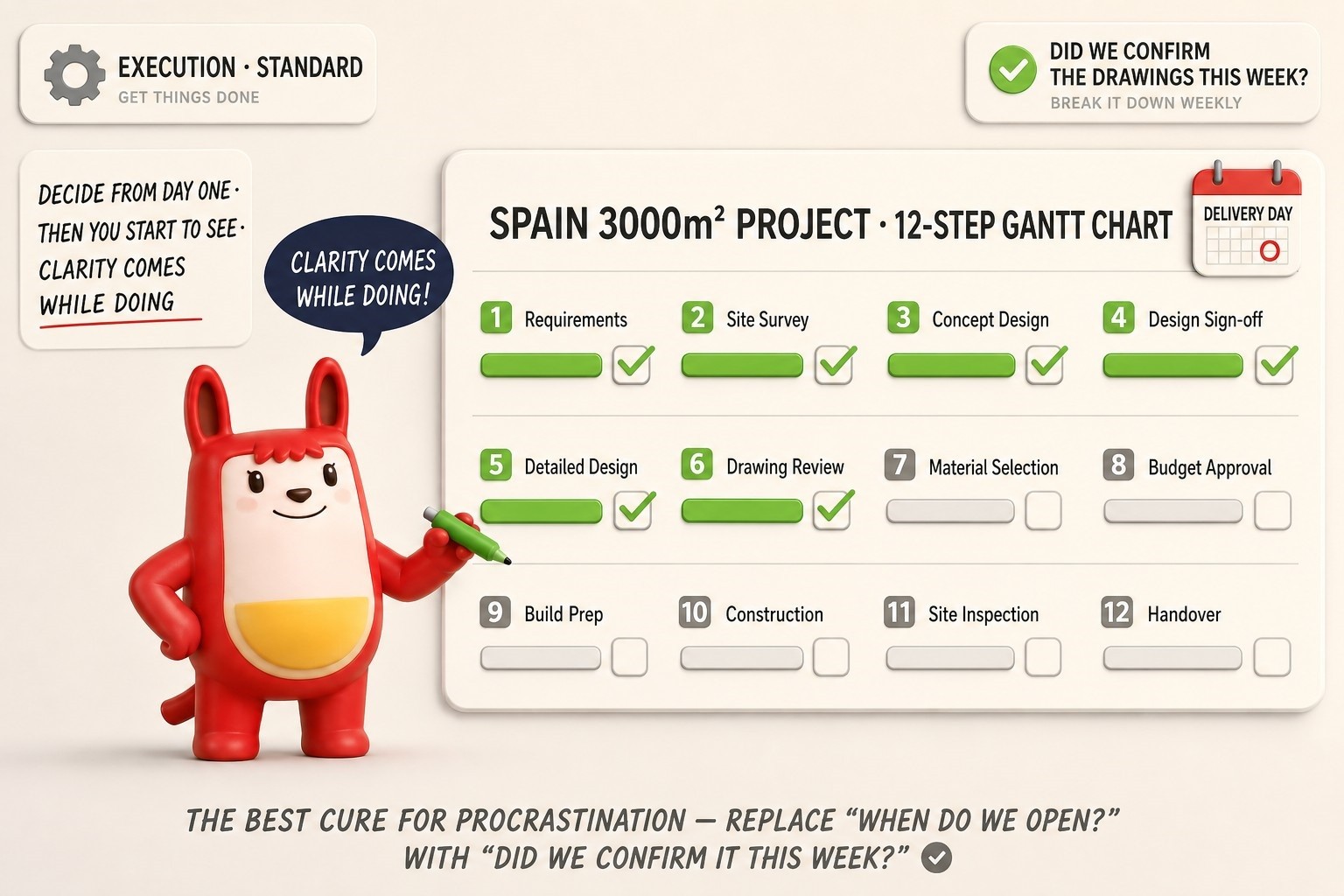
Execution isn't about thinking everything through perfectly first. It's about figuring it out while you're doing it. If we'd sat in an office debating ticket pricing for six months, we'd still be debating.
The Viral Equipment Trap
Execution gets things built. But insight decides whether what you built was worth building.
I've watched investors burn money on viral, internet-famous attractions. The trend peaks, the hype fades, and they're left with a very expensive monument to a moment. A single trendy piece of trampoline park equipment won't carry a venue for a decade. Traffic matters, but the foundation of a park isn't traffic—it's content.
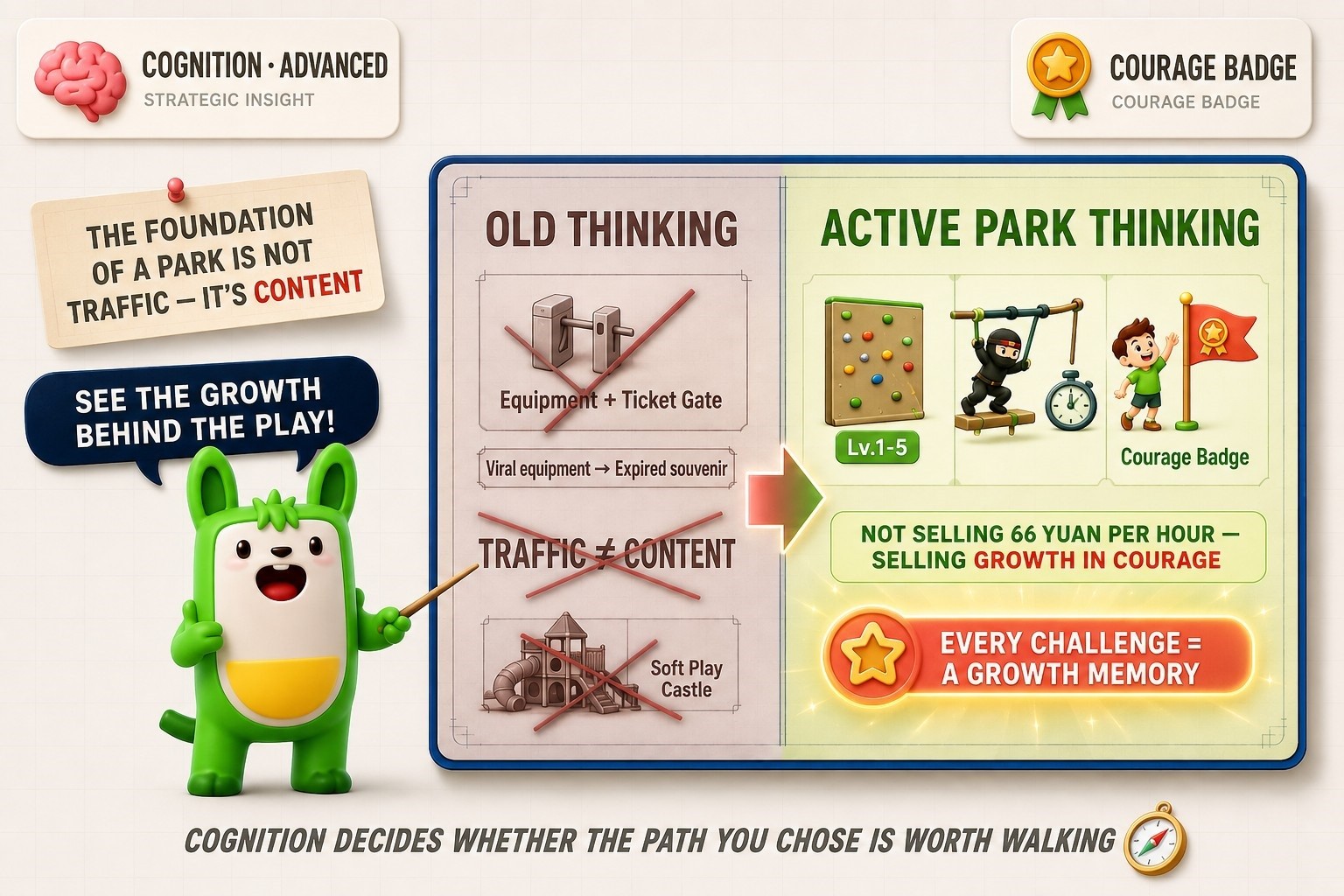
There's also the old "equipment plus ticket booth" landlord mindset. Parents don't pay for slides and ball pits. They pay for the novelty, the growth, and the happy memories their kid takes home. Same space, same gear, totally different business.
That's why we never built soft play boxes. We build Active Parks: climbing walls with graded challenge routes, ninja courses with timed systems. A kid who completes a challenge doesn't get a ticket stub. They get a badge. You're not selling "an hour for six euros." You're selling a visible increase in a child's courage.
The Years Nobody Wants to Talk About
From 2020 to 2022, offline business was basically zero. People suggested we pivot to something else.
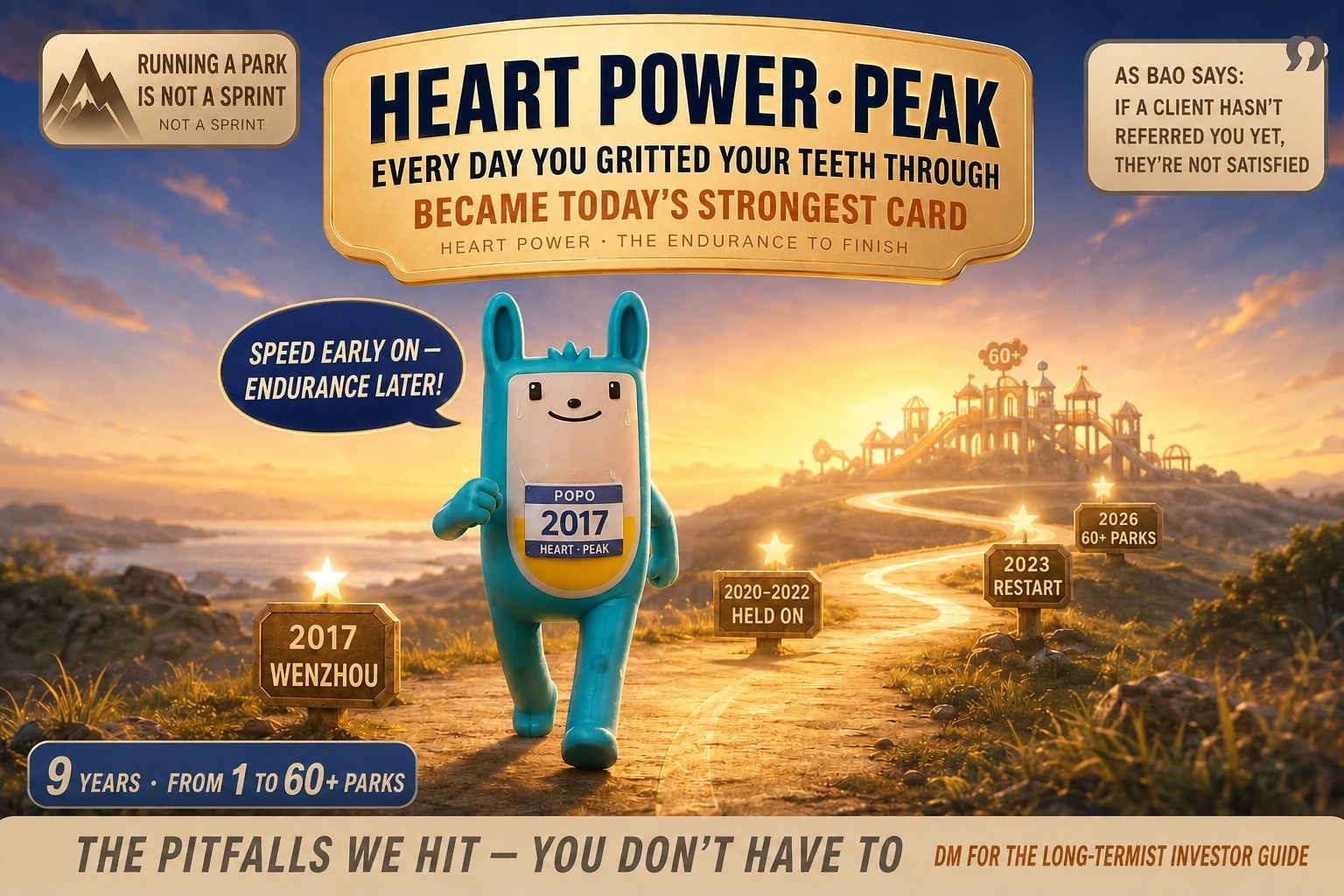
Baoge said a sentence I've never forgotten: "If a customer hasn't referred someone to you yet, it means they're not satisfied." If we couldn't hold on through the hard years, why should anyone trust us with their investment?
This year, a client opened a 1,700 sq.m project in Spain and told me: "Katie, your team really is different from other suppliers."
That sentence made all the ugly years worth it. The all-night factory test assemblies. Teaching operations hands-on at overseas stores. The orders we lost because we wouldn't compromise on safety standards. All of it became the strongest card in Pokiddo's hand.
Building a park isn't a sprint. Early on, speed wins. Later, endurance wins. Grit is what carries you across the whole distance.
Where These Three Stack
Execution turns your blueprints into children's laughter. Insight lets you see the growth hiding inside the play. Grit keeps you believing on the nights you want to quit.
They stack in that order. Execution is the baseline—skip it and nothing else matters. Insight is the ceiling—it decides whether your path was worth walking. Grit is the fuel that gets you across the finish line.
If you're running a park or planning to enter this industry, the good news is you don't have to repeat our mistakes. When you research how to start a trampoline park, look past the quote sheets and ask about the system behind them. The trampoline park cost matters, but the discipline matters more. A great indoor trampoline park design is only as good as the people who build it and run it. Find a trampoline park manufacturer who treats your success as their own—that's the shortcut past the expensive lessons.
And when you weigh the trampoline park franchise cost against a direct partnership, remember what you're actually buying. Gear, yes. But also the insight of people who've survived the cycles, and the grit to stay when it got hard. That's what turns a venue into something you're proud of a decade from now.
Ask us about our long-term investment playbook. We've walked this road. You don't have to walk it alone.