
Is Your Partner a Equipment Vendor or a Global Think Tank?
Investors ask me the same question in every market: "All the suppliers' design drawings look the same. How do I actually choose?"
My answer: stop looking at the drawings. Look at what's behind them.
If a supplier has only opened venues in one or two markets and then pitches the same cookie-cutter plan to New York, Madrid, and Riyadh, that's a red flag the size of a billboard. Kids in different countries play differently. Parents in different cultures spend differently. Safety inspectors in different jurisdictions approve differently. The same blueprint that thrived in one city can quietly bankrupt a park in another.
Using one key to unlock every door in the world is, by itself, a risk you're choosing to take.
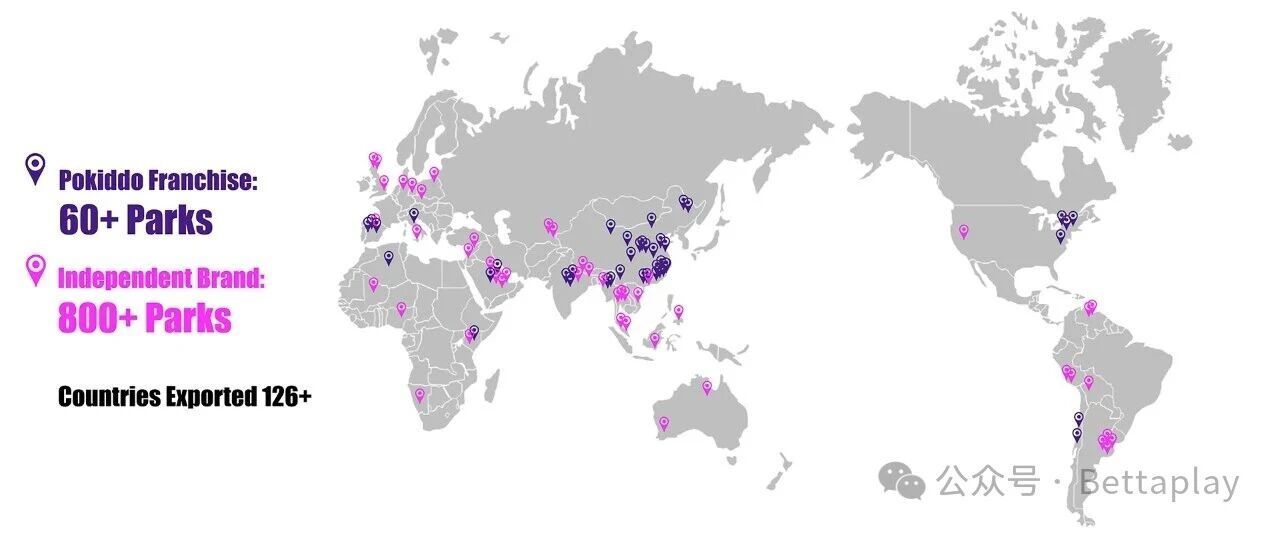
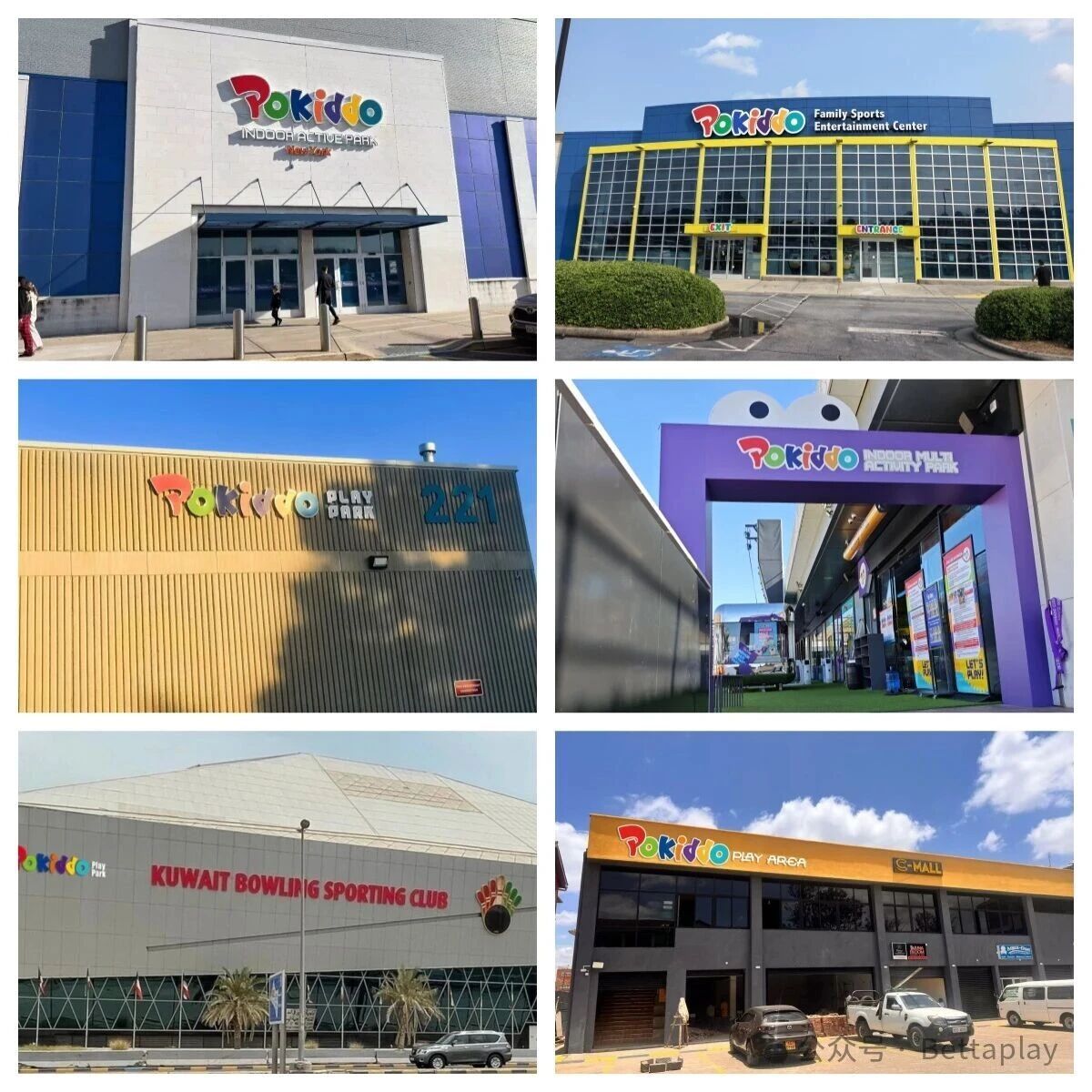
That's why Pokiddo doesn't export templates. We bring the experience of 60-plus operating venues into your market, your culture, and your specific local problems. We're not hunting for customers. We're looking for long-term partners.
The Risk Everyone Ignores
Commercial play parks live or die on localization.
What do families in your city actually do on weekends? What does the local safety approval care about most? What pricing strategy wins in this specific market? Are holiday spending patterns concentrated or spread out?
The answers in New York, Madrid, Riyadh, and New Delhi are completely different.
In the US, we adapt to party culture and family social habits.
In Europe, we work through extremely strict safety and environmental standards.
In the Middle East, we design for high-end guests who value privacy and premium experiences.
In India and China, we plan for dense crowds and fast-moving competition.
When a brand has only proven its model in one market and copies it into a completely different culture, that's not "experience transfer." That's handing the risk to the investor.

What 60+ Stores Actually Means
People ask me what the number means. Here's the honest answer: it means we've been through a nine-year, four-market stress test.
We've operated in the US and learned which climbing walls actually get requested at birthday parties. We've operated in Europe and learned how to design for safety compliance without killing the fun. We've operated in the Middle East and learned how to shape circulation and programming around cultural expectations. We've operated across Asia and learned how to handle weekend crowd surges in dense cities with operational systems, not heroics.
None of that came from sitting in an office. It came from sixty venues, one at a time, through trial, error, and revision.
We Don't Ship Templates. We Ship a Survival System.
Because our model has been validated across so many different markets, the "Active Park" system we deliver isn't a rigid template. It's a proven, highly adaptive business system.
In site selection, our Investment Risk Radar evaluates local demographics, spending habits, and competition to give you a tailored assessment.
In design, our sports progression system adjusts the attraction mix and difficulty levels to local kids' physical traits and interests.
In operations, we tailor membership models and event programming to local holiday patterns and family behavior.
The real value isn't "here's how we did it before." It's "here's how to do it with a higher probability of success, given your reality." That's the thickest safety cushion we can hand an investor.
So What Is Pokiddo, Really?
When you're choosing a partner, ask yourself one question: am I picking a vendor who sells trampoline park equipment, or a think tank that helps me solve local problems?
We insist on being the second. As a trampoline park manufacturer with our own 36,000 sq.m factory, it would be easy to just ship gear and disappear. That's the vendor's game. We don't play it.
Our Spanish team has turned away 30% of prospective investors. Not because we didn't want the business. Because our data models said those projects wouldn't survive in their local markets. Saying no now beats a failed park later. Our 60-plus stores aren't trophy numbers on a wall—they're a library of localized answers, each one verified in a real market. Every plan we deliver isn't "imported from headquarters." It grows out of local soil.
Before You Invest
If you're entering this industry—domestic or overseas, first-timer or experienced operator—you don't need a price-quoting vendor. You need a think-tank partner who can read your local market and steer you around the landmines.
A smart indoor trampoline park design is part of the equation, but the local context is the bigger part. The trampoline park cost that makes sense in one country can be a disaster in another when you factor in labor, compliance, and competition. And the trampoline park franchise cost comparison only matters if the model behind it has proven it can adapt to markets like yours.
If you want to see how one profit model takes root differently across the US, Europe, the Middle East, and Asia, reach out. We'll show you what how to start a trampoline park actually looks like when the plan is built for your street, your families, and your city.
A partner who's been stress-tested across four continents is worth more than a stack of identical design drawings. Always.