Charged Up: Why Your Personal Energy Is the Hidden Engine of Your Park
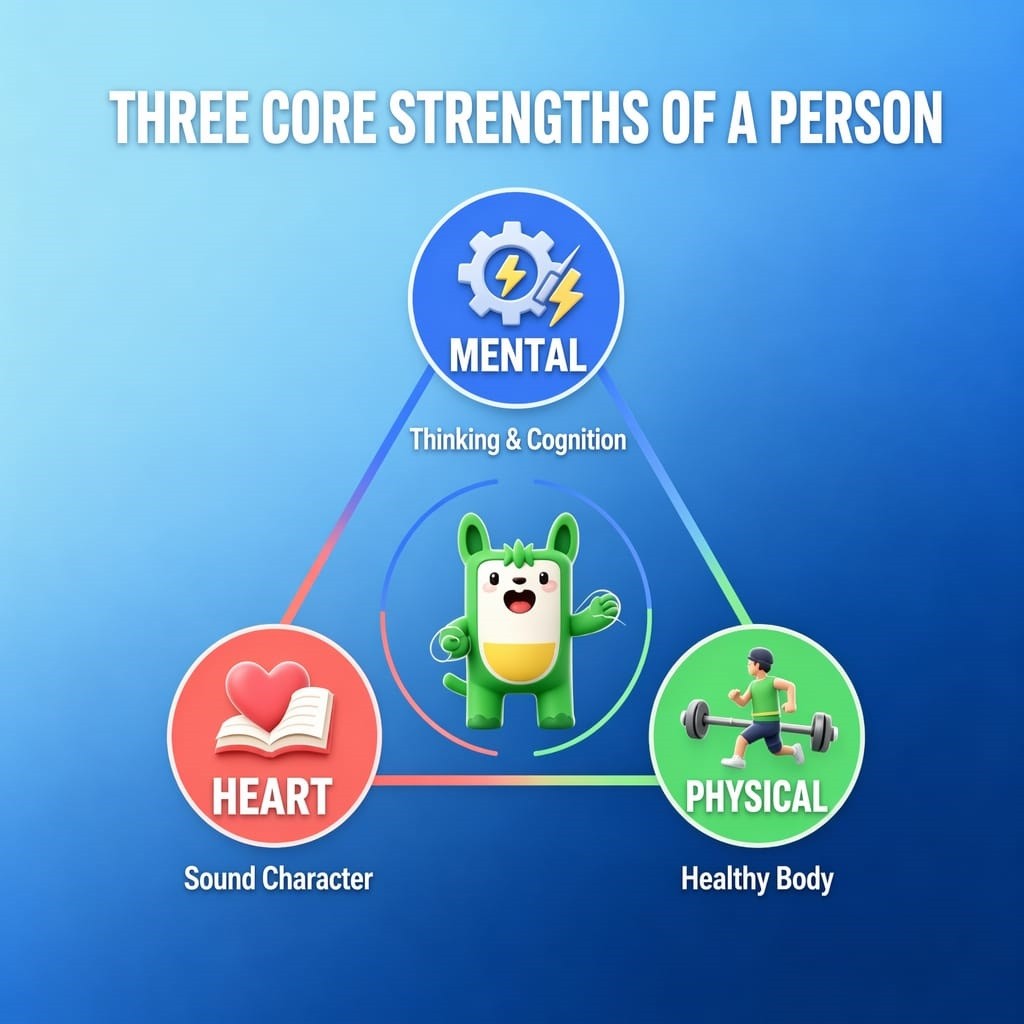
Someone sent me a diagram a while back. Three things, it said, are what keep a person functional: mental capacity, emotional resilience, physical stamina. I stared at it for a while. Because after years in this business—building, running, and helping others launch indoor adventure parks—I kept feeling like something was missing from that list.
The thing underneath all three. The actual power source.
I'd call it vitality. Not just being physically fit. More like that specific state where your body is charged, your mind is engaged, and you actually want to do the work in front of you. Kids need it. Teams need it. And the person running the operation needs it more than anyone else.
Physical Stamina Is the Foundation Nobody Talks About
For a long time I thought grit was what moved things forward. Determination, smart decisions, willingness to push through. Turns out all those things have a prerequisite: your body needs to be online.
When you're running low, decision-making slows down in ways you don't fully notice at the time. Something that normally takes you three minutes to call takes thirty. You run out of patience mid-conversation—with clients, with staff, with anyone who asks one too many questions. It's not that you've become a worse person. It's that a depleted body defaults to conservation mode, and "conservation mode" looks a lot like irritability and poor judgment from the outside.
I watched a store manager go through this during a peak-season stretch. First two days, sharp. By day four, he was missing things he'd never normally miss. Good person, genuinely committed—just running on empty. The body gave out before the intention did.
That's the part most people thinking about how to start a trampoline park don't put on the planning spreadsheet: the operator's physical capacity is an operational variable. It affects everything downstream. Your trampoline park cost spreadsheets might look bulletproof, but they mean nothing if the person executing them is running on fumes.

Energy Is Contagious—In Both Directions
At Pokiddo, we've always said we want to make kids more vital. More energized. The trampoline park equipment we build, the ninja courses, the climbing walls—they're not just entertainment. They're systems for helping kids charge up. Jump, challenge, move, recover. That's the cycle.
But here's the thing nobody says plainly: a kid's energy doesn't come from nowhere. It follows the energy of the adults around them. A drained instructor brings flat energy into the room. A distracted, exhausted manager transmits that down through every layer of the team until it lands on the customer experience.
The reverse is equally true.
Walk into your park with genuine energy—not performed enthusiasm, actual charged-up presence—and your team picks it up. The atmosphere shifts. The kids feel it. Parents feel it. None of this shows up in a trampoline park franchise cost comparison or an ROI model, but it's one of the most consistent factors separating parks that thrive from ones that just survive.
How to Actually Recharge (Not Just Rest)
The instinct in this industry is to grind. Burn midnight oil, push through, wear the exhaustion as proof of commitment. I did it for years. What I eventually figured out is that it's not sustainable pacing—it's borrowing energy from tomorrow and next week and hoping you don't run out before the bill comes due.
What actually works is more boring and more effective: negotiating with yourself instead of overriding yourself.
When you're genuinely tired, step out for ten minutes at lunch. Not to check messages—actually out, actually breathing. When you're struggling to think at 11 PM, sleep and come back to it in the morning. The problems that feel intractable at midnight are often obvious at 7 AM. Eat properly. Not perfectly—just not skipped or rushed because the floor needs covering.
And when the mood is low, don't force a fast recovery. Sometimes you need to sit with it for an hour before it shifts. Find someone to talk to, or don't—but give yourself the time rather than plastering over it.
The frame that helped me: your body is the only machine that runs with you for your entire career. How you treat it compounds in both directions. The Indoor Playground Equipment we spec for a build gets maintained on a schedule because we know what happens when it doesn't. Same logic applies.
The Owner's Energy Is the Team's Starting Point
The parks we've seen last—the ones still going strong five or six years in—almost always have one thing in common. The owner has energy. Not the frantic, caffeinated kind. A steadier thing. Consistent. The kind that makes staff feel settled when the owner walks in, even if they're not saying much.
That's not accidental. It's the result of someone who figured out their own maintenance schedule and sticks to it.
A high-energy owner attracts team members who operate the same way. Those team members bring that into their interactions. Families feel it. Regulars can tell when a park's staff genuinely want to be there versus when they're just getting through the shift. You can't fake that quality over time—it has to come from somewhere real.
As a global trampoline park manufacturer, we've seen enough locations across enough markets to be pretty confident: the indoor trampoline park design matters, the equipment matters, the location matters. But the operator's personal energy is the variable that ties all of it together or doesn't. It's the part that can't be outsourced or specified in a contract.
When someone asks us what makes a Commercial Playground Equipment investment actually pay off over time, we've stopped leading with the technical answer. We lead with: take care of yourself first. Sleep properly. Eat. Manage your energy like it's a business asset, because it is.
The team gets better when you do. The park gets better when the team does.

One Last Thing
Your brain runs faster when your body is charged. Your patience is longer. Your calls are cleaner. The math isn't complicated.
But vitality isn't just the absence of exhaustion. It's that specific state of being genuinely ready—to handle what comes in, to lead when it's needed, to bring something real into the space you're responsible for.
Pokiddo's whole mission is about helping kids discover that state. The parks we build, the Indoor Playground Equipment we put inside them, the way the spaces are designed for movement and challenge—it's all pointed at that. Helping kids feel what it's like to be fully charged.
The first step is making sure the person running the place knows what that feels like too.
Get some sleep tonight. The rest can wait until morning.