
Real Self-Discipline Isn't About Grinding. It's About Not Falling Apart.
There's this version of "discipline" that gets glorified everywhere—the one where you push through pain, sleep less, grind harder, and wear exhaustion like a badge. I used to buy into it completely. Thought that if I wasn't struggling, I wasn't trying hard enough.
Running an Indoor Adventure Park kind of forces you to unlearn that. Fast.
Because here's what actually happens when you "tough it out" in a state of genuine depletion: you snap at your staff over small things, you fake your way through client conversations, and the energy in the whole venue shifts. Customers feel it. Your team definitely feels it. And the three hours you "saved" by not resting ends up costing you more than you saved.
Grinding Through Exhaustion Isn't Strength. It's Just Spending What You Don't Have.
I had a manager once who prided herself on never taking breaks. On paper, she was the hardest worker in the building. In reality, she was hemorrhaging goodwill from her team every single day—snapping, second-guessing, making reactive decisions she'd need to walk back the next morning.
She wasn't disciplined. She was overdrawn.
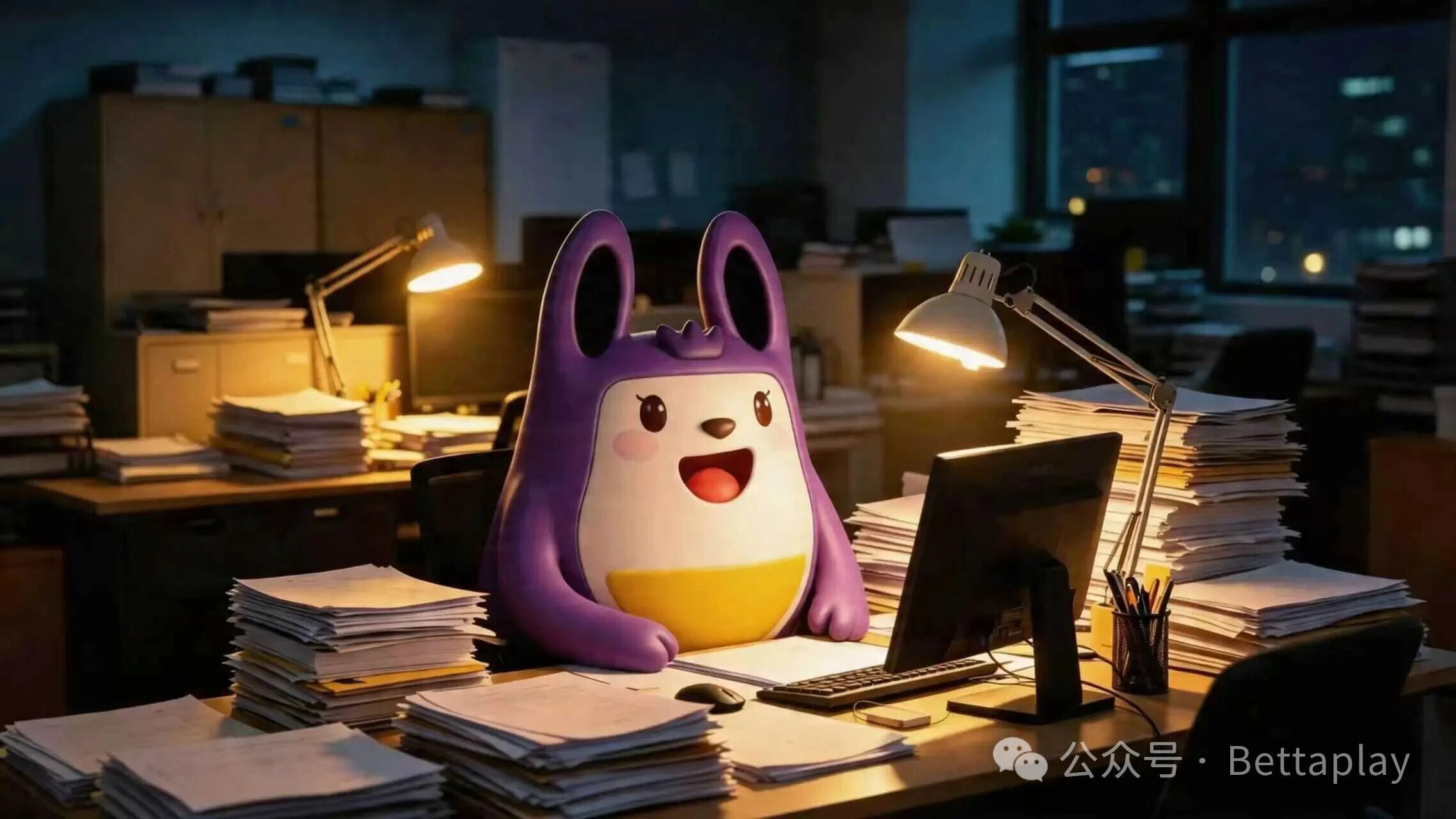
Think of your energy the same way you'd think about how to start a trampoline park: you need reserves. You plan for the slow seasons so you have fuel for the busy ones. You don't blow the entire budget in January and then wonder why there's nothing left in July. Same logic, applied to yourself.
When the body starts flagging—when you're dragging yourself through afternoons, when patience runs thin before noon—that's not weakness. That's information. The question is whether you listen to it or bulldoze through it anyway.
Bulldozing works once or twice. It doesn't compound.
The Off-Season Exists for a Reason
In the park business, everyone understands the concept of a slow season. You don't spend slow season panicking about the numbers—or at least, you shouldn't. You use it. You restock, retrain, redesign. You fix the things that got neglected when you were swamped. You let your team breathe.
But somehow, we don't apply that same logic to ourselves.
The trampoline park equipment doesn't run at 100% capacity year-round without maintenance. Neither do people. A team that never gets a genuine break doesn't perform better—it just holds together longer before it breaks down all at once, usually at the worst possible moment.
I've watched operators obsess over trampoline park franchise cost comparisons, ROI projections, and competitive benchmarks... while quietly running their own team into the ground. The numbers looked fine on paper. The vibe in the building told a different story.
Rest isn't the opposite of productivity. For most people running operational businesses, it's the precondition for it.

Self-Discipline With Some Slack Built In
Here's the reframe that actually stuck with me: self-discipline isn't about becoming a flawless machine. It's about consistently moving in the right direction—even accounting for the days when you're not at your best.
Give your system some flex. If you planned to work on the indoor trampoline park design tonight but you're genuinely running on empty, go to sleep and do it better tomorrow morning. If your team hit a hard stretch and morale is low, take them out to eat—not as a reward, but as maintenance. If your body says no, today is not the day to override it.
This isn't about making excuses. It's about playing a longer game.
The people who actually last in this business—as trampoline park anufacturer partners, as operators, as leaders—aren't the ones who pushed the hardest in year one. They're the ones who were still sharp and motivated in year five. That doesn't happen by grinding through every signal your body sends. It happens by taking those signals seriously.

Pace Is a Strategy
We talk a lot about the "sprint vs. marathon" framing, and it's overused, but it points at something real. You genuinely cannot sprint the whole thing. And the people who try usually burn out just as the interesting part is starting.
In practical terms for a park operator: peak season, push. Off-peak, recover. When Commercial Playground Equipment needs servicing, you service it—you don't run it until it breaks. Apply that same basic logic to yourself and your team.
The staff member who feels managed well—not pushed past their limits for no reason, trusted to have a bad day occasionally, given room to breathe—that person shows up differently. They bring the kind of energy that no trampoline park cost can account for. The kind that makes a family feel welcomed the moment they walk in.
That's the edge that's actually hard to replicate.

What True Self-Discipline Actually Looks Like
It doesn't look like suffering through every hard moment with your jaw set. It looks like knowing when to push and when to back off. Knowing your own patterns well enough to work with them instead of against them.
For the operators we partner with at Pokiddo, the ones who ask the right questions aren't just wondering about how to start a trampoline park or comparing trampoline park manufacturer quotes. They're thinking about the long arc. They want to know how to build something that still works well three years in.
The answer, almost always, involves sustainable pace. For the business and for the people running it.
Step lighter. Stay longer. The shop that's still open—and still good—in five years beats the one that blazed for eighteen months and ran out of everything.